Best Home Upgrades Before Selling in South San Francisco
December 25, 2025
December 25, 2025
Thinking about listing your South San Francisco home in the next 3 to 6 months? You want the fastest, smartest upgrades that attract local buyers without sinking your budget or timeline. In this market, clean, move-in-ready finishes and strong first impressions can do more for your bottom line than full-scale remodels. In this guide, you’ll learn which projects deliver the best ROI here, with realistic cost ranges, timelines, staging tips, and permit basics. Let’s dive in.
Many buyers in South San Francisco and across San Mateo County work in tech, biotech, and professional fields. They value updated kitchens and baths, functional layouts, natural light, and practical features like parking and storage. Price sensitivity is strongest at entry and mid tiers, so cost-conscious improvements that show well are your best bet.
Spring often brings more listings and foot traffic. That said, well-prepped homes can sell quickly any time with the right pricing and presentation. Your goal is to make your home feel move-in ready for the widest pool of buyers.
Focus on projects that elevate first impressions, photography, and perceived maintenance. Most of these fit into a few days to a few weeks.
A fresh, neutral palette is one of the highest-impact, lowest-cost upgrades. Typical Bay Area costs run about $2,000 to $7,000 for a 1,000 to 2,000 square foot interior. Touch-ups in main living areas can be $500 to $2,000. Timelines are usually 2 to 7 days. No permits required.
If you want an outside cost reference, interior painting averages are similar to national ranges noted in HomeAdvisor’s interior painting guide, though Peninsula labor often runs higher.
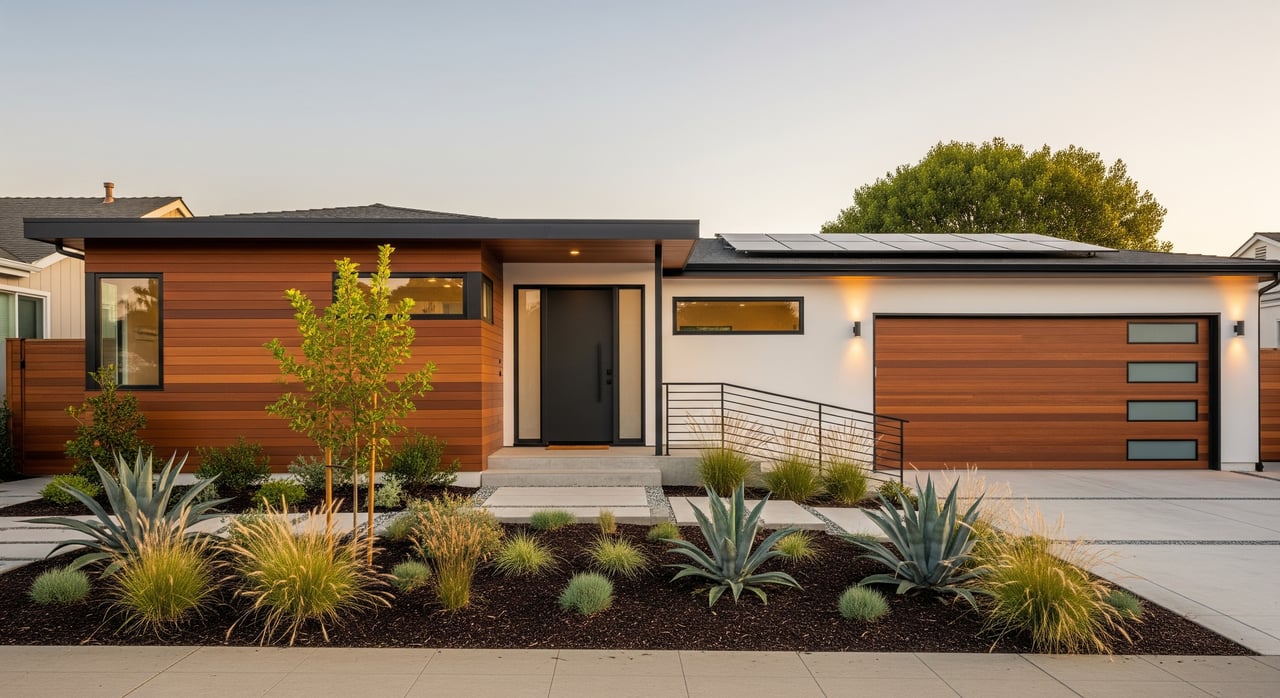
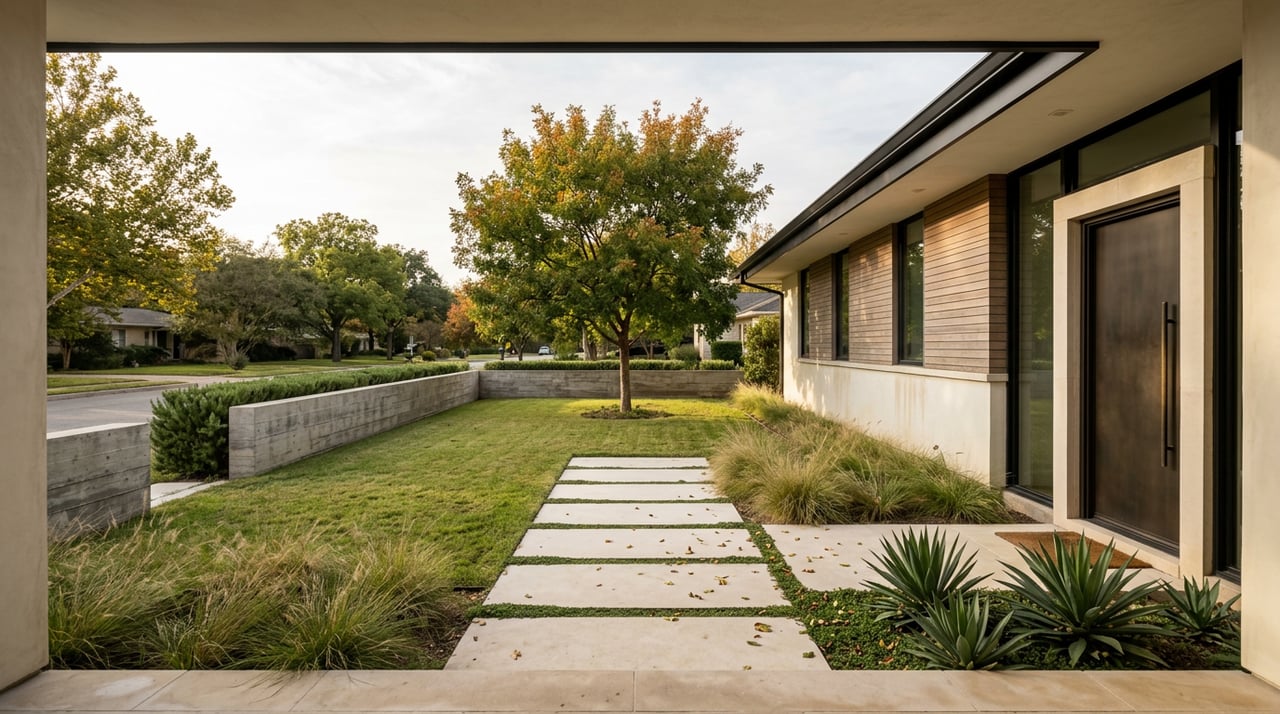
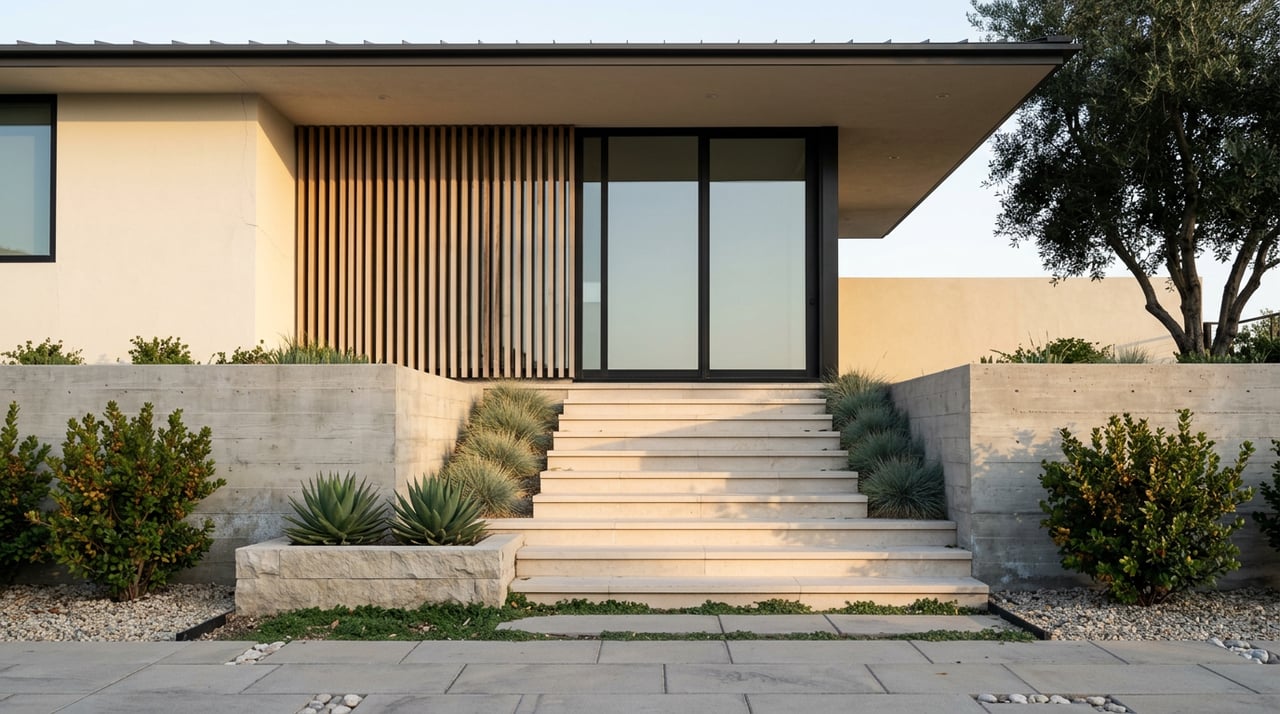
Buyers decide within seconds whether to get excited about a home. Basic clean-up, power washing, mulch, and simple plantings can run $300 to $2,000. Repainting or replacing the front door and hardware can be $250 to $1,500. Modest walkway or lighting refreshes may cost $1,000 to $5,000. Most soft landscaping needs no permit. If you plan new hardscape or alter impermeable surfaces, check with the City of South San Francisco Building Division or Planning before you start.
Better lighting changes how rooms feel in photos and in person. Swapping dated fixtures and bulbs can be $150 to $2,000 depending on scope. If you add circuits or do significant rewiring, an electrical permit is typically required. Simple fixture swaps usually do not.
For a 3 to 6 month timeline, cosmetic updates beat gut renovations. Consider repainting cabinet boxes with new hardware, budget-friendly quartz counters, a new faucet and sink, a fresh backsplash, and improved lighting. Typical ranges: $1,500 to $6,000 for cabinet repainting and hardware, $1,500 to $4,500 for budget counters, and $300 to $2,000 for faucet, sink, and backsplash accents. Plumbing or electrical changes may require permits.
Small changes add up. Recaulk and regrout, update mirrors and lights, refresh paint, and replace old hardware. Minor refreshes run about $300 to $2,500. A midrange vanity and fixture swap might be $1,000 to $5,000. Plumbing permits can apply if you move fixtures.
A deep clean and targeted fixes go a long way. Refinish hardwoods for about $3 to $6 per square foot. Laminate or vinyl plank typically installs for $2 to $6 per square foot. Replacing tired carpet runs $1 to $4 per square foot. For a national point of reference, see HomeAdvisor’s hardwood refinishing costs. Focus on high-traffic and eye-catching spaces to control budget.
Handle visible maintenance to reduce buyer concerns and inspection risk. HVAC tune-ups often cost $100 to $400. Roof repairs vary widely. Fix active leaks, evident safety issues, and obvious deterioration to avoid credits or price reductions later.
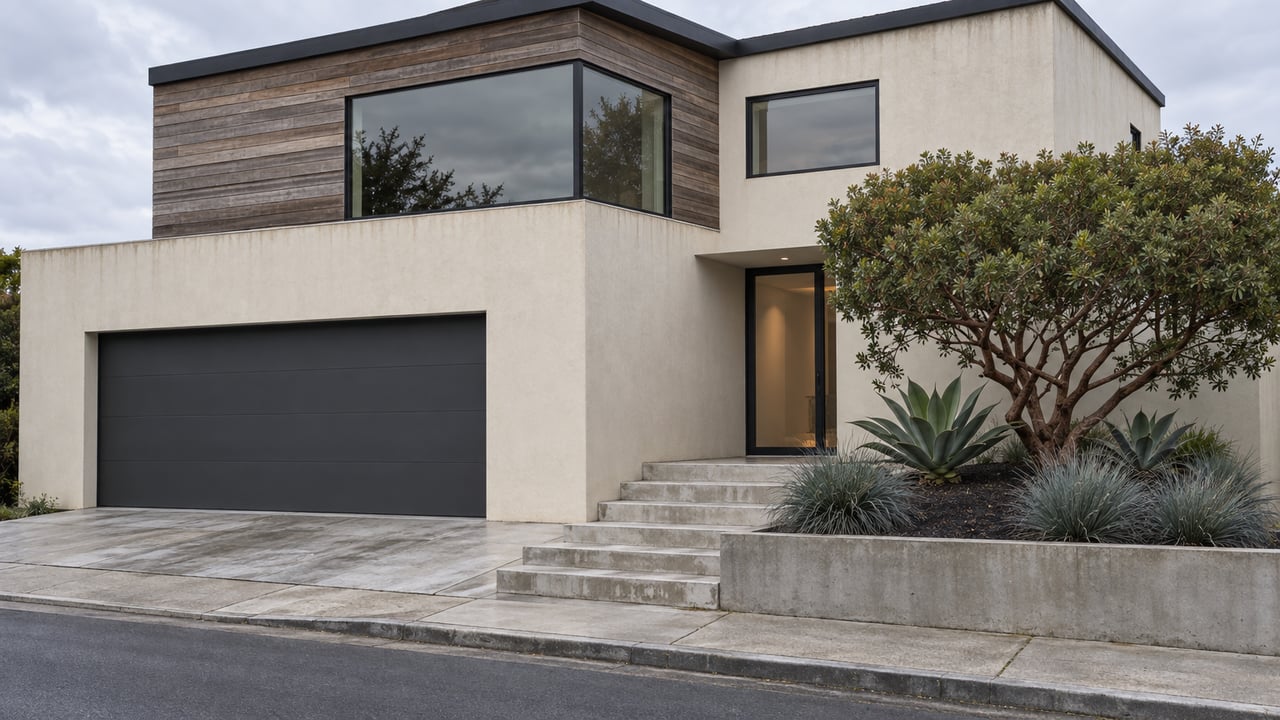
A new, attractive garage door often delivers strong ROI in industry surveys. Expect $1,000 to $4,000 depending on style and opener. Simple replacements usually do not require permits. To understand why projects like these perform well, review the Remodeling Magazine Cost vs. Value Report, which consistently shows high returns for exterior replacements.
LED bulbs, clean filters, fresh smoke and carbon monoxide detectors, and a smart thermostat help marketing and inspections. In some buyer segments, EV charging readiness is a plus, though adding a 240V outlet may require permits and a licensed electrician.
Match your scope to likely buyers and neighborhood comps. Below are example plans for a 3 to 6 month prep window.
Expected benefit: stronger photos, more showings, and better offers compared to an unprepped home.
Expected benefit: broader appeal as a move-in-ready home for more buyers.
Caution: these larger projects can extend timelines and reduce percentage ROI if finishes overshoot neighborhood expectations. Always check comps before committing.
Staging helps buyers understand scale and flow. If your furniture hides the layout or feels heavy in photos, stage key rooms like the living area, dining, kitchen, and primary bedroom. Many sellers stage only the main spaces to control costs.
Professional photos are essential for the Peninsula market. Consider twilight exteriors and a simple video or virtual tour where appropriate. For buyer behavior and staging impact, the NAR Profile of Home Staging provides helpful context.
Getting permits right matters in California. Cosmetic work rarely needs one, but changes to plumbing, electrical, structure, or hardscape often do. When in doubt, contact the South San Francisco Building Division to confirm. If your project involves site or exterior changes, the Planning Division can advise on requirements.
California sellers must disclose known defects and work completed, including whether it was permitted. Keep invoices, permits, and warranties organized. Good documentation reduces the chance of renegotiation after inspections.
For larger jobs, get three bids and confirm licensure, insurance, and references. Bay Area labor and materials typically cost more than national averages, and some items have longer lead times. Book early to keep your schedule on track.
Your ROI depends on how your finishes compare with nearby comps. If your plan would push the home above neighborhood norms, the incremental return often shrinks. A clean cosmetic refresh paired with sharp pricing and staging usually outperforms a full high-end remodel in many South San Francisco neighborhoods.
Address visible safety or maintenance issues before listing. Fixing leaks, obvious electrical hazards, or pest damage up front can prevent costly inspection credits later.
Ready to tailor a prep plan to your home, timeline, and target price? Connect with Daniel Choi for a quick walk-through, a prioritized project list, and a custom marketing plan that fits the South San Francisco market.
Stay up to date on the latest real estate trends.

Get assistance in determining current property value, crafting a competitive offer, writing and negotiating a contract, and much more. Contact Daniel today.