Thinking about buying your first rental in San Mateo but not sure where to start? You are not alone. The Peninsula offers strong tenant demand, but prices, rules, and operating costs can feel complex. In this guide, you will learn how to choose the right property type, estimate returns, understand key laws, and run a clean due diligence process tailored to San Mateo. Let’s dive in.
Why San Mateo works for rentals
San Mateo sits between major job hubs in San Francisco, Redwood City, Menlo Park, and Foster City, with Caltrain, SamTrans, Highway 101, and Highway 92 making commutes simple. Proximity to SFO also supports steady renter interest, including some corporate or short-term demand where allowed. Walkable areas near downtown retail, parks like Central Park, and transit often attract professionals and families who value convenience.
Demand is often strongest in:
- Downtown San Mateo near restaurants and retail.
- Hillsdale and the El Camino corridor, including areas near the San Mateo and Hillsdale Caltrain stations.
- Neighborhoods with short commutes to Foster City, Redwood City, and other Peninsula employers.
What to buy: condos vs 2 to 4 units vs homes
Choosing the right property type comes down to your budget, time, and goals.
Condominiums
Condos can be easier to finance as an owner-occupant and often have lower exterior maintenance because the HOA handles it. That convenience comes with tradeoffs. HOA dues reduce cash flow and HOA rules may limit rentals, set minimum lease terms, or cap the number of investor-owned units. Always read CC&Rs, meeting minutes, reserve studies, and confirm any rental restrictions before you make an offer.
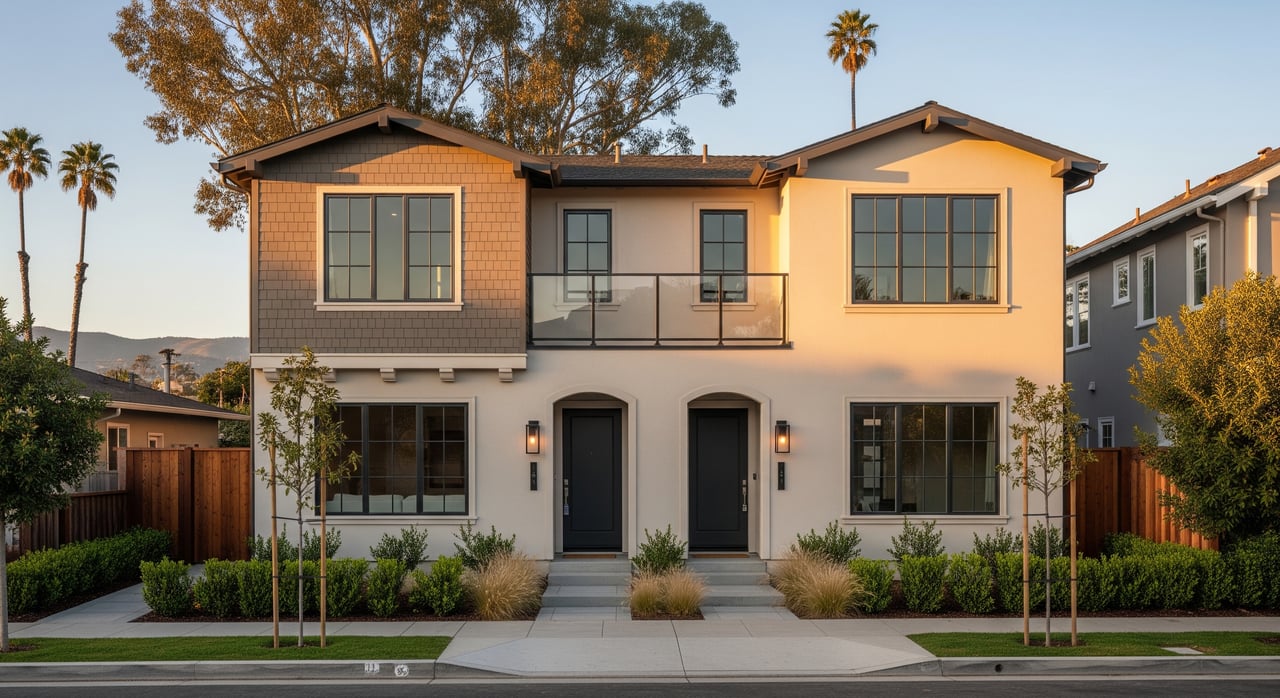
2 to 4 unit small multifamily
Duplexes, triplexes, and fourplexes can spread fixed costs over multiple units, which helps cash flow and cushions vacancy. Underwriting is different from single-unit condos, and maintenance is more hands-on. Expect to review income history, unit mix, and any deferred maintenance closely. In tighter, walkable locations, pricing often reflects lower cap rates.
Single-family rentals
Single-family homes can be easier to finance for owner-occupants and may draw longer-term tenants. They usually carry higher maintenance and turnover costs per door compared with small multifamily. If you plan to scale, consider how single-home acquisitions affect portfolio cash flow and management time.
Rents, vacancy, and returns
San Mateo rents and vacancy have shifted since the pandemic and can change quickly with tech hiring cycles. To avoid stale data, pull live medians and trends from sources like the local MLS, Zillow Observed Rent Index, Zumper, RentCafe, and Apartment List before you model a deal. In many Peninsula submarkets, small-multifamily cap rates have historically been in the low to mid single digits, reflecting strong appreciation expectations.
Typical pro forma vacancy assumptions range from 3 to 8 percent depending on micro-location and unit type. Transit-adjacent 1 to 2 bedroom units often lease faster. Many investors here accept lower immediate cash flow in exchange for potential appreciation and tax benefits, especially when using owner-occupant financing to improve terms.
How to get live rent comps
- Check current median rents by bedroom count for San Mateo using ZORI, Zumper, RentCafe, and Apartment List.
- Pull active and recently leased comps from the local MLS for your exact unit type and location.
- Note condition, parking, in-unit laundry, outdoor space, and transit proximity when comparing.
- Revisit data right before you submit an offer to confirm no short-term shifts.
What yields to expect
- Cap rates: often low single digits to mid single digits depending on location and property condition. Verify with current sold comps in the local MLS.
- Cash flow: richer in 2 to 4 units that spread fixed costs, tighter in condos after HOA dues and any utility inclusions.
- Financing: owner-occupant loans can materially improve cash flow with lower rates and down payments if you plan to live in one unit and meet lender occupancy rules.
Rules you must know
San Mateo investors operate under state law and any local city or county ordinances. Always verify current rules before you buy or raise rents.
Statewide protections under AB 1482
California’s Tenant Protection Act generally limits annual rent increases for covered units, often described as 5 percent plus CPI or a 10 percent cap, and adds just-cause eviction protections. There are exemptions, including some single-family homes and condos when proper notices are provided, newer construction, and certain small-owner situations. Confirm coverage, required disclosures, and the latest statutory language before action.
Local San Mateo items to confirm
- Whether the City of San Mateo has any rental registration requirements or added tenant protections such as relocation assistance.
- Short-term rental rules, including registration, business license, and transient occupancy tax obligations.
- Any inspection or safety requirements for rentals at the city or county level.
Required disclosures and lease notices
- AB 1482 notices at lease start and at rent increases where applicable.
- Lead-based paint disclosures for pre-1978 housing.
- Smoke and carbon monoxide detector compliance.
- Mold, bed bug, and other habitability-related disclosures when required.
- HOA rules for condos, including rental caps and minimum lease terms.
Costs to budget for
Your pro forma should include every recurring and variable cost so you can compare options apples to apples.
- Mortgage principal and interest
- Property taxes under Proposition 13 and any local assessments
- Insurance for landlord, hazard, and liability
- HOA dues and special assessments for condos
- Utilities you pay as owner, such as water, trash, or gas and electric if included
- Property management fees, commonly 6 to 10 percent of collected rent for full service
- Routine maintenance and repairs
- Capital reserves for big-ticket items, such as roof, HVAC, exterior paint, and appliances
- Vacancy and credit loss, typically 3 to 8 percent
- Turnover costs, including cleaning, painting, marketing, and leasing fees
- Compliance and legal costs
Operating expense ratios, excluding debt service, often fall between 25 and 50 percent of gross rent for small multifamily or condos, depending on utilities and HOA dues.
Pro forma quick-start
- Estimate market rent for each unit, then subtract a conservative vacancy allowance.
- Add line items for taxes, insurance, HOA (if any), management, utilities, repairs, and reserves.
- Calculate Net Operating Income by subtracting operating expenses from gross scheduled rent less vacancy.
- Layer in realistic debt service using current rate quotes for your loan type.
- Run a sensitivity test for rent changes and rate shifts so you know your break-even.
Financing paths for small investors
Owner-occupant loans typically offer lower rates and down payments if you plan to live in the property and meet lender rules. Investor loans often require larger down payments and higher rates. Rate cycles impact cash flow, so get current quotes for 30-year and 15-year products from your lender. On taxes, factor in depreciation, interest deductions, passive loss limits, and capital gains with potential deferral through a 1031 exchange. Work with a CPA who understands California real estate.
Due diligence checklist
Before you waive contingencies or close, verify the details that drive cash flow and risk.
- Rent roll with signed leases, deposits, move-in dates, rent amounts, and payment history
- Market rent checks using MLS comps and rent trend sources listed above
- Full physical inspection, plus pest, roof, plumbing, electrical, HVAC, and sewer laterals
- Zoning and permitted unit count, and any unpermitted work
- HOA documents for condos: CC&Rs, minutes, financials, reserve study, insurance, rental rules, and special assessments
- Certificate of occupancy and permit history for remodels and additions
- Tenant ordinance coverage, including AB 1482 status and any local protections
- Insurance quotes, including earthquake and flood if relevant
- Seller disclosures and any environmental or structural reports
- Utility responsibilities by lease
First 60 days after close
- Deliver required notices and disclosures, including AB 1482 where applicable
- Set up rent collection, maintenance requests, and your vendor list
- Budget for initial repairs and turnover work
- Calendar lease renewals and market reviews in compliance with state and local rules
Where to find reliable data
Use these trusted sources when you need up-to-date numbers or statutes:
- City of San Mateo municipal code and housing pages for local rules, registrations, and short-term rental guidance
- San Mateo County Assessor and Treasurer–Tax Collector for property tax details
- California Legislative Information for the text and updates to AB 1482 and related laws
- Local MLS for rental comps and small-multifamily sales data to infer cap rates
- Zillow Observed Rent Index, Zumper, RentCafe, and Apartment List for rent snapshots and trends
- CoStar or Yardi Matrix for broader multifamily trends if you have access
- U.S. Census ACS and state employment data for demographic and jobs context
Putting it all together in San Mateo
If you want reliable rental performance on the Peninsula, focus on transit-accessible locations with strong tenant pools, confirm your legal compliance, and underwrite with conservative vacancy and thorough expense lines. Choose a property type that fits your time and capital, and lean on live rent data and current lending quotes to keep your numbers honest. When you are ready, partner with a local expert to source the right property and manage a smooth purchase.
If you would like help with comps, underwriting, or a walk-through of neighborhoods that fit your goals, schedule a quick call with Daniel Choi to get started.
FAQs
Is San Mateo rent-controlled or just AB 1482?
- Most units follow California’s AB 1482 rent caps and just-cause rules, with exemptions for certain properties; verify your property’s coverage and any San Mateo city ordinances before acting.
How do condos in San Mateo perform as rentals?
- Condos can be simpler to maintain, but HOA dues and rental restrictions often reduce cash flow; always review CC&Rs, minutes, reserves, and rental caps before you buy.
What vacancy rate should I use for a San Mateo pro forma?
- Many investors use 3 to 8 percent depending on location and unit type, with transit-adjacent 1 to 2 bedroom units often at the lower end.
How can I estimate cap rates for small multifamily in San Mateo?
- Pull recent 2 to 4 unit sales from the local MLS, confirm actual income and expenses, and back into cap rates rather than relying on broad averages.
Are short-term rentals allowed in San Mateo?
- Rules vary and may include business licenses, registration, and transient occupancy taxes; check the City of San Mateo’s current short-term rental policy before listing.
What financing helps cash flow for a first purchase in San Mateo?
- Owner-occupant loans can improve terms if you live in a unit and meet lender rules, while investor loans require higher down payments and rates; compare quotes before writing offers.