Thinking about selling your Burlingame home but not sure where to start? You are not alone. The market shifts with interest rates, tech wealth, and seasonality, and the process can feel complex. In this guide, you will get a clear timeline, practical prep tips, required disclosures, pricing and offer advice, and a simple way to estimate your net proceeds. Let’s dive in.
Burlingame market snapshot
As of January 2026, reported home value metrics vary by source and method. Redfin’s monthly median sale price for Burlingame was around $1.5M, while Zillow’s ZHVI averaged about $2.57M for the city. Countywide, Realtor.com showed a San Mateo County median near $1.40M at the end of 2025. These differences are normal because each platform calculates differently and monthly city sales can be a small sample. For pricing your home, rely on a fresh, local CMA for the week you plan to list.
Key takeaway: Peninsula demand is price tiered. Turn-key single-family homes and well-located properties can still see strong activity, often from buyers with cash or large down payments, even when the broader market is slower. Your pricing and prep should match your micro-market.
Your selling timeline
Every sale is unique, but here is a realistic path from first call to closing in Burlingame.
Week 0: Strategy session
- Meet with your agent, align on goals, timing, and a pricing band.
- Review recent comps, prep scope, showings plan, and target launch date.
Weeks 1–8: Pre-list prep
- Plan for 4–6 weeks for light updates, declutter, deep clean, and staging. Bigger projects may take longer.
- Confirm permits for past work and order your Natural Hazard Disclosure if you plan to provide it before listing.
- Schedule professional photography once the home is show-ready.
Week of launch: Marketing live
- Photos, floor plan, and listing go live on the MLS.
- Broker preview and open houses start.
1–30+ days active: Showings and offers
- In spring, well-prepared homes can receive offers in days. Slower months may lengthen days on market.
- Offer deadlines are often 24–72 hours.
After acceptance: Escrow and contingencies
- Typical financed escrows in California run 30–45 days, while cash can close in 7–21 days. Here is a helpful overview of the escrow process.
- Many contracts in our area follow California Association of REALTORS default timelines, often about 17 days for inspection and appraisal, and about 17–21 days for loan approval unless negotiated differently.
Closing week
- Final walk-through, sign documents, buyer’s lender funds, and the county records the deed.
- Title pays off your mortgage and disburses proceeds, usually within 1–3 business days after recording.
Required disclosures in California and Burlingame
Honest, complete disclosures protect you and help buyers write stronger offers.
Core state disclosures
- Transfer Disclosure Statement. California Civil Code §1102 requires sellers of 1–4 unit homes to complete and deliver the TDS. If a buyer gets the TDS after signing, they may have short-term rescission rights. Read a plain-English overview.
- Natural Hazard Disclosure. State law requires disclosure of mapped hazards, including flood, earthquake fault, seismic hazard, dam inundation, and fire hazard severity zones. Many sellers order a third-party NHD report early so buyers can review before offering. Learn what the NHD must include.
AB 38 wildfire and defensible space
If your property is in a High or Very High Fire Hazard Severity Zone and qualifies under AB 38, you must provide defensible space documentation and additional fire-hardening disclosures. Local fire agencies manage the inspection process. Start by checking your address on Burlingame’s Fire Hazard Severity Zones map, then review the Central County Fire Department AB 38 guidance.
Other common items
- Lead-based paint. For homes built before 1978, provide the federal lead pamphlet, disclose known lead, and offer a 10-day testing opportunity unless waived. Review the federal rule.
- Smoke and CO detectors. Sellers must certify compliance with California’s smoke-alarm law. CO detector presence is disclosed on the TDS when applicable. See the Health and Safety Code reference.
- Water-heater bracing. California requires water heaters to be braced or anchored and for sellers to certify compliance at sale. Overview of the rule.
- HOA resale packet. For condos and planned developments, order the HOA documents and budget for fees and buyer review windows, usually early in escrow.
Smart prep that pays off
Your goal is to remove buyer objections and highlight value. Focus on fast, visible wins first.
- Gather documents. Permits and receipts for past work, warranties, title info, HOA documents, appliance manuals, and any prior inspections.
- Safety and compliance. Confirm smoke and CO detectors and water-heater bracing. Address obvious hazards found in a pre-list inspection.
- Pre-list inspections. A general inspection and wood-destroying organism report are common. Fixing issues on your schedule reduces renegotiation risk.
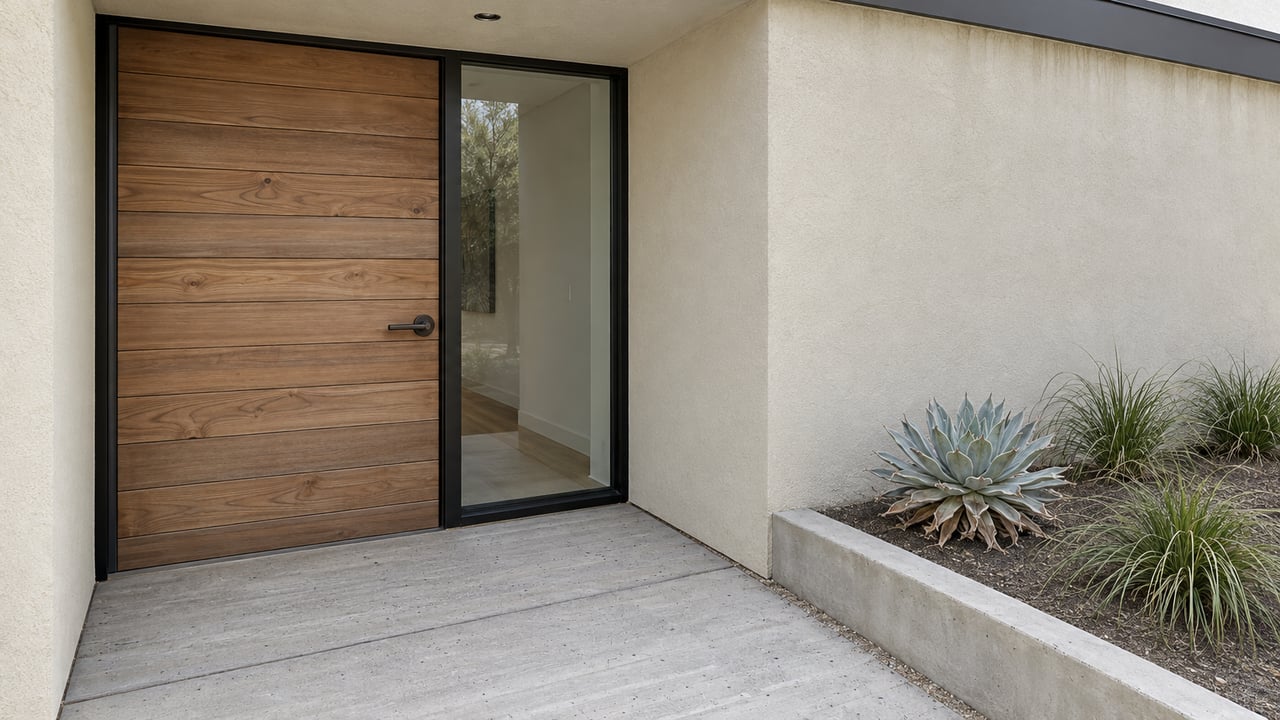
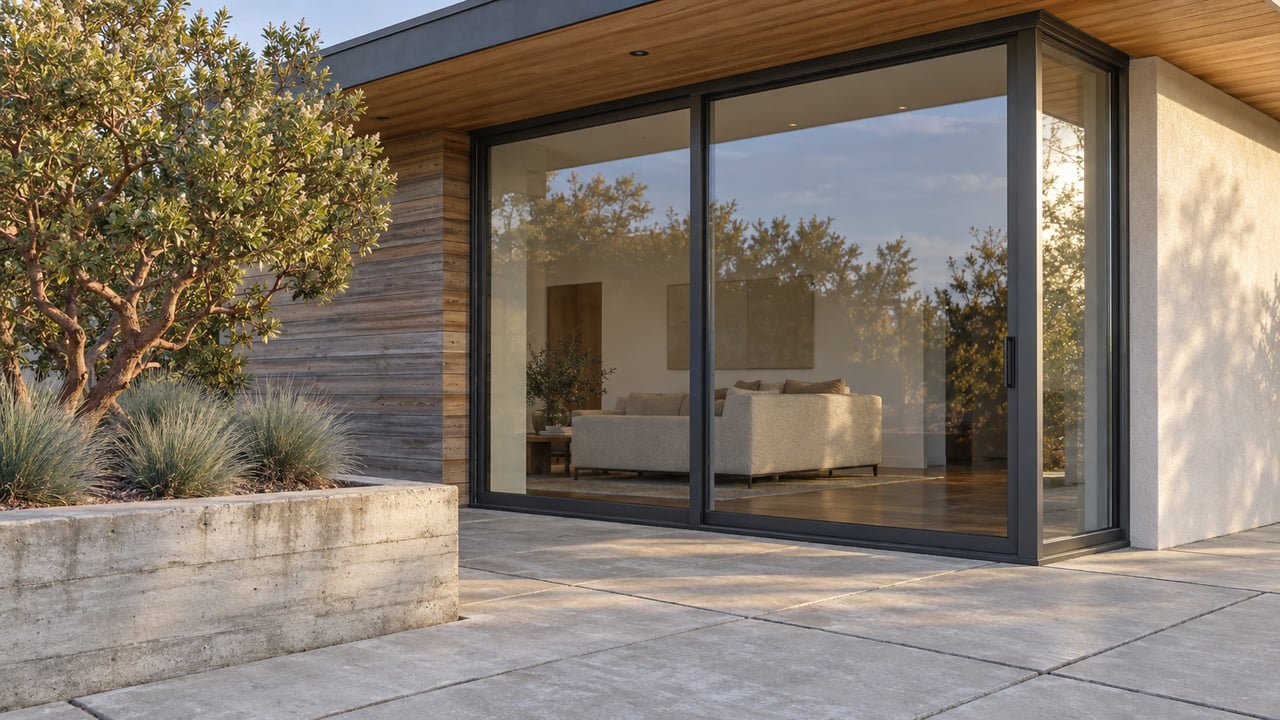
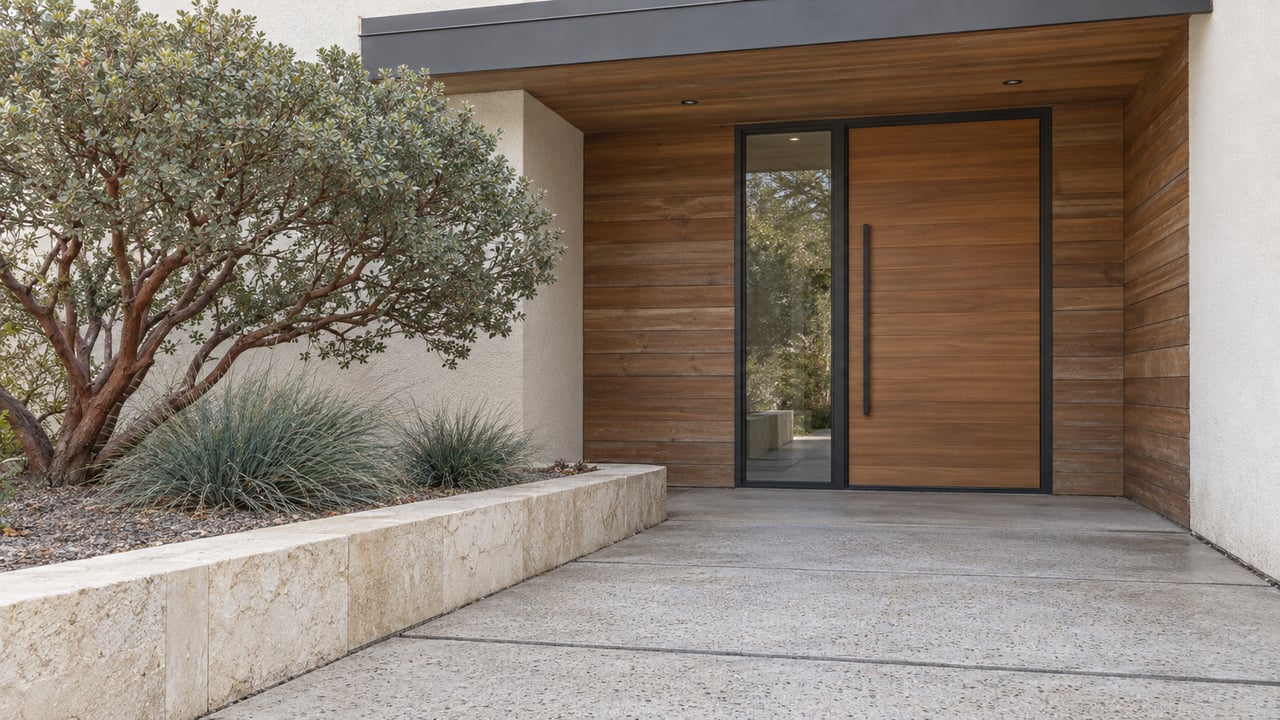
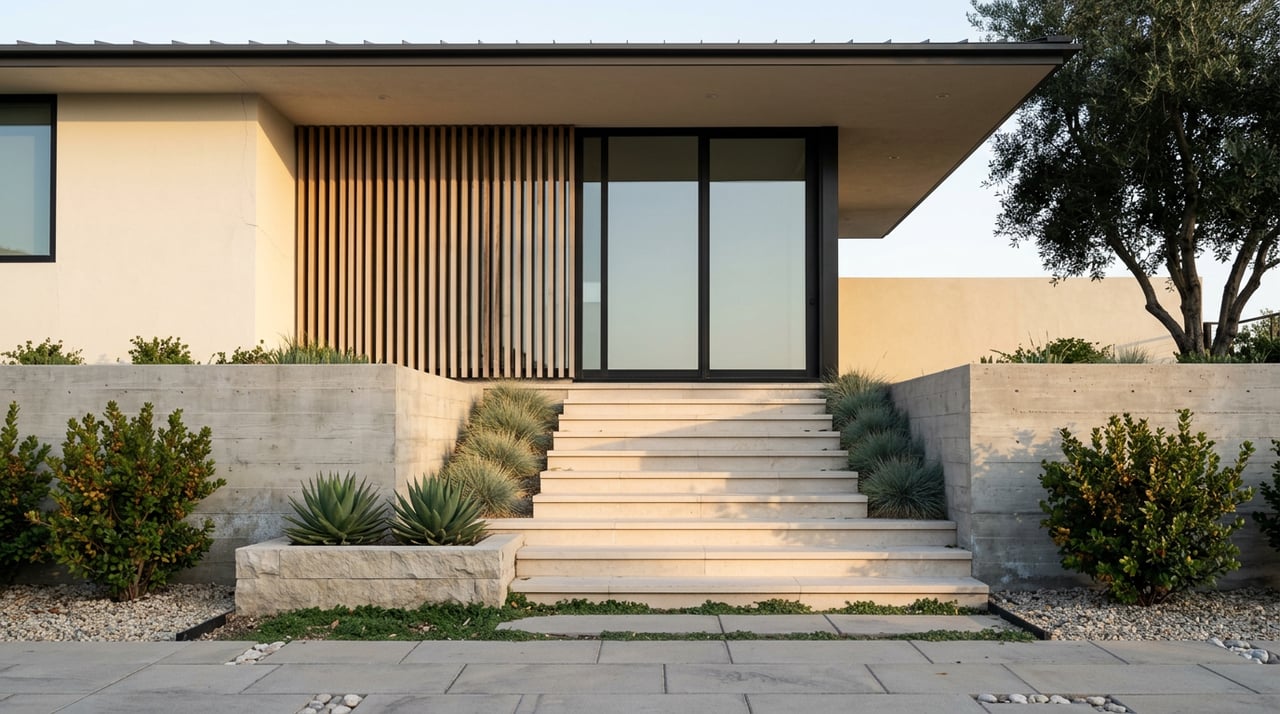
- Cosmetic updates and curb appeal. Fresh paint in neutral colors, new hardware and lighting, landscaping tidy-up, and a thorough deep clean. These items often deliver strong perceived value with modest cost.
- Staging and photography. According to NAR, staging helps buyers visualize a home and often reduces time on market, with a reported median cost around $1,500. Prioritize the living room, kitchen, and primary bedroom. See NAR’s staging findings.
Local staging tips
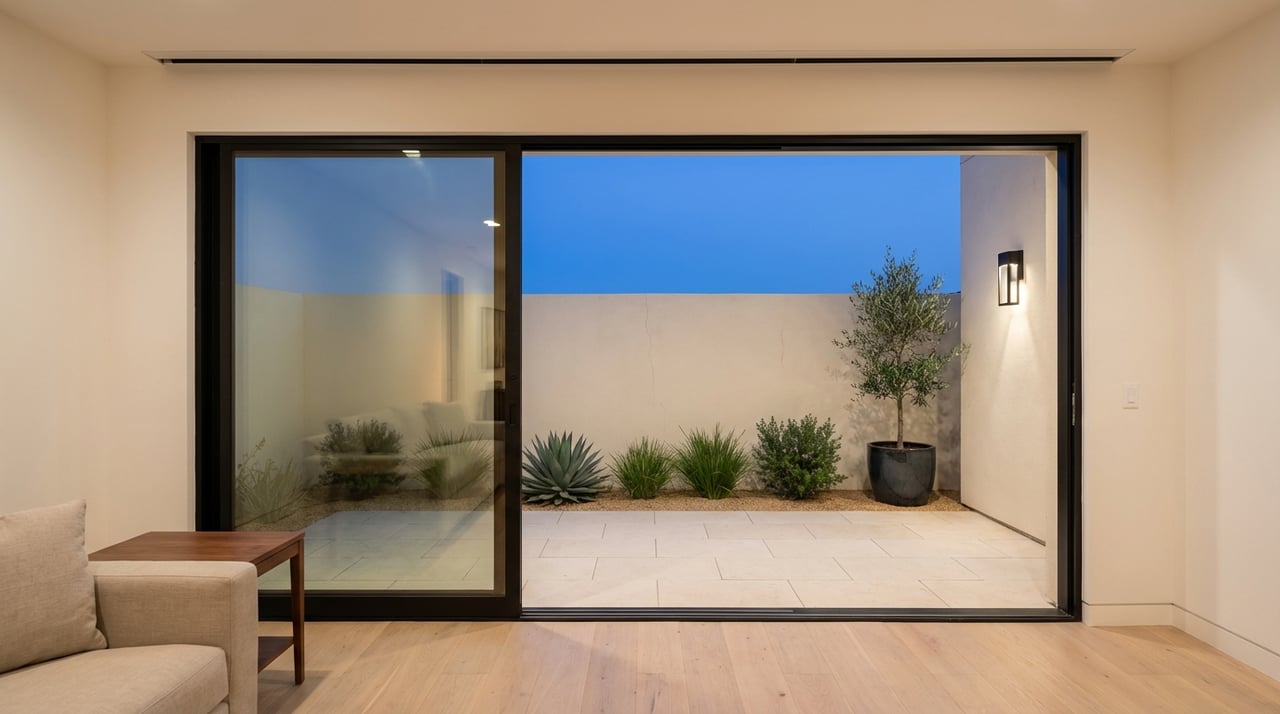
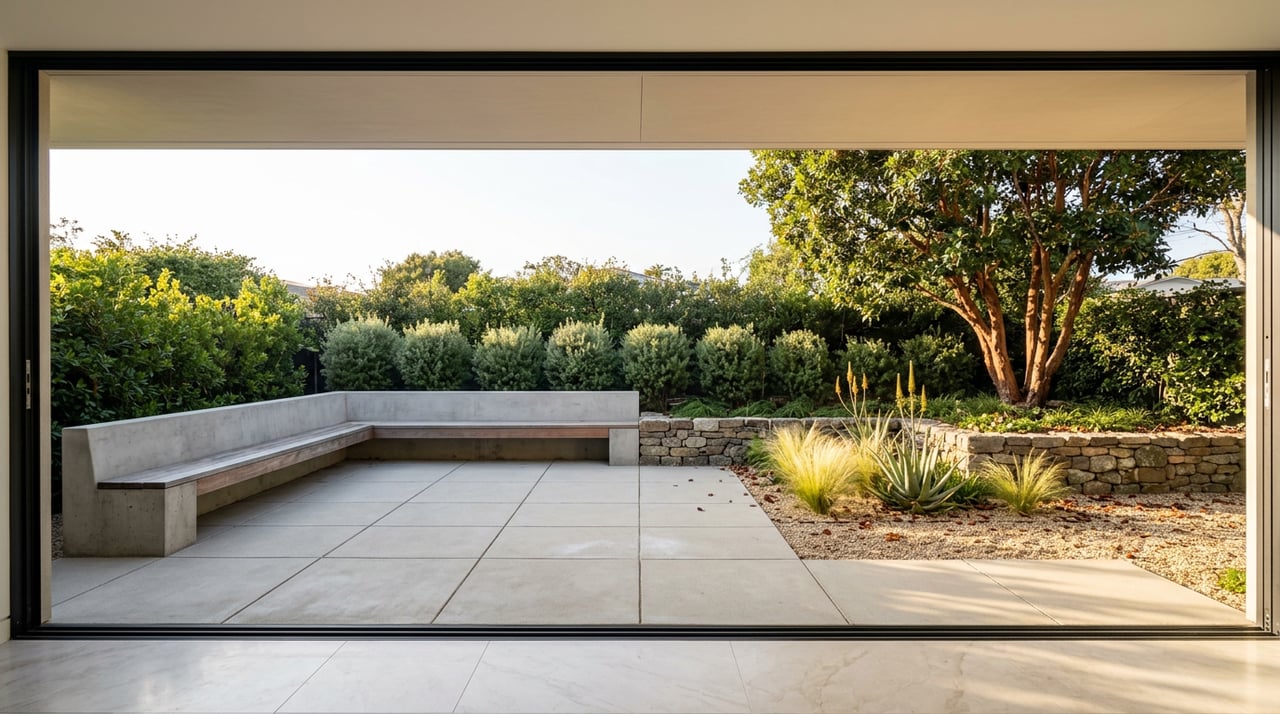
- Elevate outdoor space. Even small patios and yards matter on the Peninsula. Add simple seating, lighting, and planters to show usable living zones.
- Keep it low-maintenance. Drought-tolerant, tidy landscaping reads well with local buyers.
- Neutral, bright interiors. Light, cohesive paint and clutter-free rooms photograph and show better.
- Mention commute access. Highlight proximity to downtown Burlingame and Caltrain in your marketing copy.
- Schools context. Reference nearby schools neutrally and remind buyers to verify attendance boundaries directly with the district.
Pricing strategy that fits Burlingame
Work from a current CMA focused on the last 6–12 weeks. Compare active, pending, and closed listings, adjusting for condition, lot, location, and school zone premiums. Ask your agent for three scenarios: aggressive, expected, and conservative. Each should show an estimated price range and a net proceeds estimate with realistic closing costs.
Because Burlingame demand is tiered, align price with what your home offers. Updated, move-in ready homes in walkable locations can command attention. Homes that need work may benefit from sharper list pricing to drive foot traffic and invite multiple offers.
How to compare offers
Not all high prices are equal. Look at the whole package.
- Net proceeds. Focus on price minus credits and your estimated closing costs.
- Contingencies. Inspection, appraisal, loan, and HOA review windows matter. Shorter timelines may be more competitive but carry more risk.
- Financing strength. Cash and well-underwritten jumbo loans are common in San Mateo County. Verify pre-approval quality and lender reputation.
- Appraisal risk. If the price is at the top of the range or comps are thin, ask for proof of funds to cover any appraisal gap or include agreed language to address it.
- Timing and terms. Desired close date, possible rent-back, caps on repairs or credits, and any seller-paid concessions.
After you accept an offer, most financed purchases in California close in 30–45 days, while cash buyers can close faster. This escrow overview outlines what to expect from deposit to recording.
Closing costs and your net proceeds
Here are the major seller costs you are likely to see in San Mateo County. The exact amounts depend on your price, terms, and service providers.
- Commission. Commonly about 5–6% total, paid from proceeds.
- San Mateo County documentary transfer tax. $1.10 per $1,000 of the sale price. Burlingame does not commonly add a separate city transfer tax at the level some cities do, but verify current practice. See the county’s tax schedule.
- Title and escrow fees. Customary in our area and typically shared by local practice or negotiated.
- Prorations and fees. Property tax proration, HOA transfer or estoppel fees for condos and planned developments, and any agreed credits or repairs.
Example net proceeds snapshot for a $2,000,000 sale price:
- Gross price: $2,000,000
- Commission at 5.5%: $110,000
- County transfer tax: $2,200
- Title and escrow fees: varies by provider
- Prorated taxes, HOA fees, agreed credits: varies
- Estimated net before mortgage payoff: $2,000,000 minus the above line items
Use this as a framework. Your agent can build a custom sheet using actual quotes and your mortgage payoff.
Quick pre-listing checklists
Papers to gather
- Deed, mortgage payoff statement, and property tax bill.
- Permits and receipts for renovations or additions.
- Warranties and manuals for systems and appliances.
- HOA contact info and latest statements, if applicable.
- Any prior inspection or termite reports.
House-ready checklist
- Declutter and deep clean every room.
- Repaint in neutral colors and replace burned-out bulbs.
- Tidy landscaping and refresh mulch or groundcover.
- Confirm smoke and CO detectors and water-heater bracing.
- Order your NHD report and, if applicable, start AB 38 defensible space steps.
When to list in Burlingame
Spring typically draws the widest buyer pool on the Peninsula, with many sellers aiming to list in late winter to close by early summer. A smaller wave can appear in late summer and early fall. That said, interest rates, inventory, and local employment can shift the best window in any given year. Match your timing to your goals and the latest local data.
Your next step
Selling in Burlingame is part preparation, part pricing, and part smart negotiation. With a clear plan, realistic timing, and the right guidance, you can reduce stress and maximize your result. If you are planning to sell in the next 6–12 months, reach out to Daniel Choi to map your timeline, prep plan, and pricing strategy.
FAQs
How long does it take to sell a Burlingame home in 2026?
- From first meeting to listing, plan for 4–8 weeks if you want light updates and staging, then 1–30+ days on market depending on season and pricing, and 30–45 days for escrow on financed deals.
What disclosures are required when selling a home in Burlingame?
- Expect to deliver the TDS, NHD, lead disclosures for pre-1978 homes, smoke and CO compliance, water-heater bracing certification, HOA documents for condos, and AB 38 defensible space documentation if in a mapped fire hazard zone.
Do I need staging to sell in Burlingame?
- Staging is not required, but NAR research shows it helps buyers visualize and can reduce time on market, with a typical reported median cost around $1,500; focus on key rooms and great photos.
How should I price my Burlingame home?
- Use a fresh CMA focused on the last 6–12 weeks and ask for three scenarios, then align price and prep to your micro-market so you attract the right buyers without leaving money on the table.
What are typical seller closing costs in San Mateo County?
- The largest items are commission, the county transfer tax of $1.10 per $1,000 of price, title and escrow fees, prorated property taxes, possible HOA fees, and any agreed credits or repairs.
What is AB 38 and could it apply to my home?
- AB 38 requires wildfire defensible space documentation and fire-hardening disclosures for certain properties in High or Very High Fire Hazard Severity Zones, so check your address on Burlingame’s map early in the process.