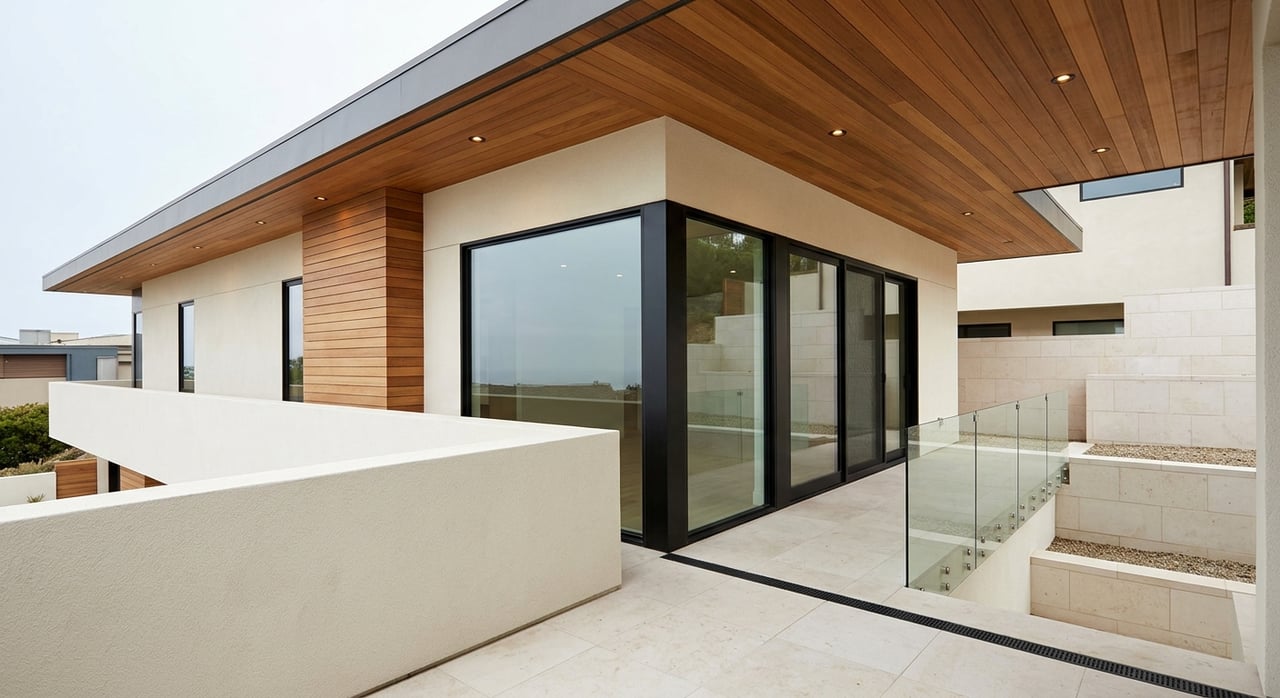
Buying a Home in Pacifica: Coastal Factors to Consider
April 2, 2026
April 2, 2026
Dreaming about waking up near the ocean in Pacifica? It is easy to fall for the beach access, dramatic views, and cooler coastal feel. But buying a coastal home here also means paying close attention to fog, erosion, insurance, maintenance, and daily logistics. If you are thinking about making a move, this guide will help you understand the biggest factors to weigh before you buy. Let’s dive in.
Pacifica is not a single, uniform beach town. According to the City of Pacifica neighborhood guide, it is made up of several distinct coastal communities with different settings, elevations, and levels of exposure.
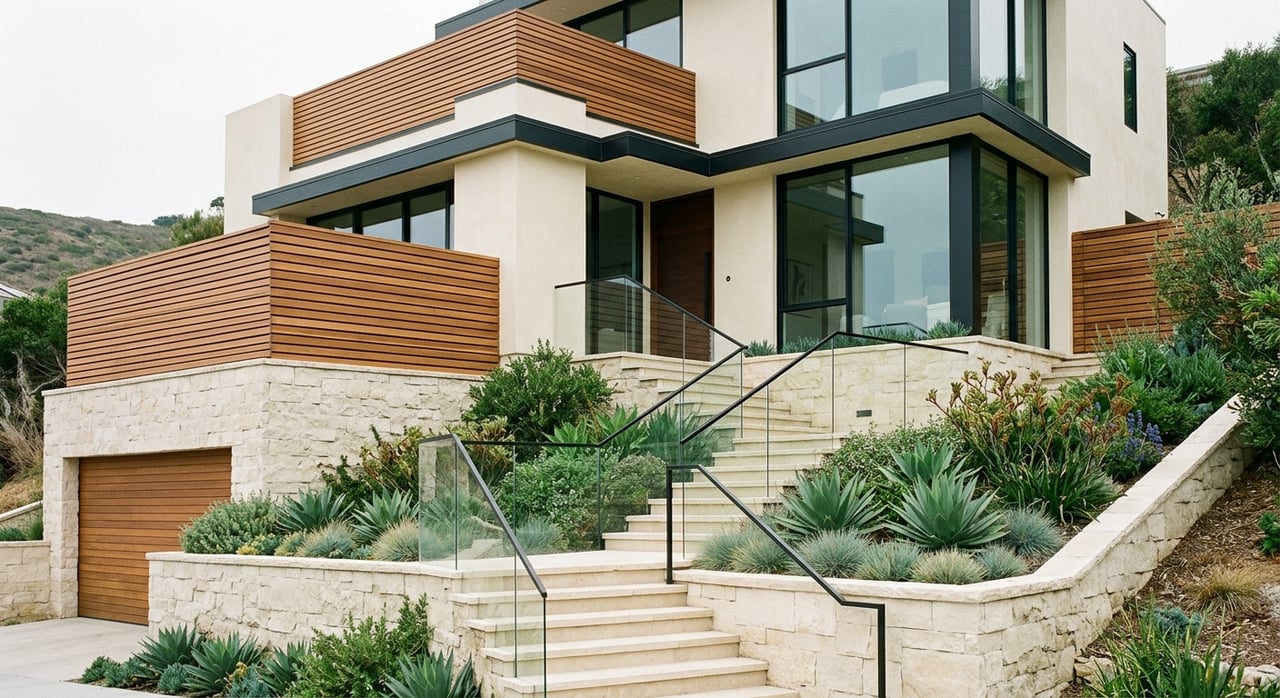
That matters when you are home shopping. A bluffside property, a valley home, and a house near the beach can each offer a very different day-to-day experience, even within the same city. Views, weather, convenience, and maintenance needs can shift noticeably from one area to the next.
If you are used to warmer inland Peninsula weather, Pacifica may surprise you. NOAA climate normals for the Pacifica 4 SSE station show an annual mean temperature of 57.4°F, with cool summers and mild winters.
Summer highs generally stay in the upper 60s to low 70s, and winter highs often remain in the upper 50s to low 60s. You also should expect marine-layer mornings and fog, especially since coastal fog is shaped by the interaction of ocean, land, and air, as noted by USGS in the research summarized above.
Pacifica can be a great fit if you enjoy a mild climate and do not mind overcast starts to the day. But if you picture classic hot California summers, this market may feel very different from what you expect.
Microclimates also matter here. Hilltops, valleys, and bluff-edge locations can feel noticeably different, so it is worth visiting a property at different times of day before making a decision.
Scenery is a big draw in Pacifica, but coastal risk needs to be part of your buying decision. The city is actively updating its planning around sea level rise and coastal impacts, including risks to homes, roads, and infrastructure.
For some properties, especially those in the Coastal Zone, future work on the home may also require a Coastal Development Permit. The California Coastal Commission states that development in the Coastal Zone generally cannot begin until the proper permit has been issued.
A 2024 Pacifica Coastal Resilience Opportunity Study identified Beach Boulevard, Sharp Park, Rockaway Cove, and Linda Mar as key erosion hotspots. The same study also noted that Pacifica’s beaches were vulnerable under all modeled scenarios.
In the Esplanade area, local city engineering documents reported long-term bluff-top erosion of about 2.5 feet per year from 1943 to 2017, with more recent rates ranging from 3.7 to 6.4 feet per year at that site. That does not mean every part of Pacifica faces the same conditions, but it does show why bluff-front or shoreline properties deserve especially careful review.
When you are buying in Pacifica, your due diligence should go beyond the usual home inspection. Coastal location can affect permits, repairs, insurance, and long-term upkeep.
Here are a few smart items to verify early:
Two homes with similar views can have very different risk profiles. One may sit farther from an eroding edge, have better drainage history, or have more straightforward future improvement options.
That is why local, property-specific review matters so much in Pacifica. A beautiful setting is only part of the equation.
One of the biggest surprises for coastal buyers is that homeowners insurance does not cover every major risk. In Pacifica, it is important to think about flood, earthquake, and standard homeowners coverage as separate questions.
According to FEMA flood insurance guidance, flood insurance is a separate policy, and homes in high-risk flood areas with government-backed mortgages are generally required to carry it. California’s Department of Water Resources also notes that NFIP flood coverage is the federal program used in participating communities.
Earthquake coverage is also separate from a standard homeowners policy. The California Department of Insurance says standard homeowners insurance does not cover earthquake damage, and the California Earthquake Authority provides most residential earthquake insurance in the state.
Before you remove contingencies, it helps to get clear answers on:
This step can protect your budget and help you avoid surprises late in escrow.
Even if a home is not directly on the water, Pacifica’s salt air and moisture can affect upkeep. FEMA’s coastal construction guidance says salt spray and onshore winds can accelerate corrosion of metal connectors and fasteners, while NOAA also identifies salt spray as an often overlooked source of building-material corrosion.
For you as a buyer, that can mean more frequent exterior inspections and more upkeep than you might expect in inland parts of the Peninsula. Railings, hardware, paint, decks, and HVAC components may all need closer attention over time.
A coastal home can absolutely be worth it, but it helps to budget realistically. You may want to plan for:
A home that looks great on showing day should also make sense as a long-term ownership decision.
Pacifica offers a range of neighborhood types, and your best fit depends on what matters most to you. The city’s neighborhood overview highlights how different areas balance views, beach access, and shelter from the elements.
Linda Mar is closely tied to Pacifica State Beach and is the city’s largest neighborhood. Rockaway Beach is known for its restaurants, hotels, and pocket beach. Pedro Point, Sharp Park, Pacific Manor, Fairmont, Edgemar, and Westview/Pacific Highlands are often more view-oriented or hillside in character, while Park Pacifica and Vallemar sit farther back in the valleys and feel more sheltered.
If your top priority is being close to the sand, Linda Mar and Rockaway Beach are logical places to start. If you care more about sweeping views and elevated coastal character, blufftop or hillside areas may stand out more.
The tradeoff is that scenic locations can also bring greater exposure and potentially more demanding maintenance. Narrow hillside streets, bluff settings, and wind exposure are worth evaluating with open eyes.
Pacifica offers coastal living with access to the rest of the Bay Area, but your daily routine may depend more on driving and bus connections than rail. The city notes that Pacifica is about three miles from San Francisco’s southern border and is organized around Highway 1 rather than a single central downtown.
The main transportation network includes SR-1, Sharp Park Road, access to I-280, and SamTrans Route PCX for a faster connection to Daly City BART. That can work well for many buyers, but it is worth testing your actual commute times rather than relying on a map alone.
If possible, visit a target neighborhood during the times you would actually be traveling. A home may look perfect online, but your comfort with the drive, bus connection, or daily route can make a big difference once you move in.
That is especially true in a city where neighborhoods feel distinct and access patterns vary.
The best Pacifica purchase is usually not just the one with the most dramatic view. It is the one that fits your lifestyle, risk tolerance, maintenance budget, and long-term plans.
A smart buying approach often looks like this:
If you want help sorting through Pacifica’s neighborhood tradeoffs and evaluating coastal-home risks with a practical, local lens, reach out to Daniel Choi. You will get clear guidance, responsive communication, and a process-focused approach designed to help you buy with confidence.
Stay up to date on the latest real estate trends.

Get assistance in determining current property value, crafting a competitive offer, writing and negotiating a contract, and much more. Contact Daniel today.