Choosing the right San Mateo neighborhood for your family can feel like a balancing act. You want strong school options, parks and activities nearby, an easy commute, and a home that fits your budget and lifestyle. It’s a lot to weigh, especially when school boundaries and traffic patterns can change. This guide breaks down how families compare San Mateo areas, what tradeoffs to expect, and how to narrow your search with confidence. Let’s dive in.
How to choose your fit
Start by ranking what matters most to you. Many families weigh four factors: schools, parks and daily life, commute, and home type. The right choice usually means a thoughtful tradeoff, not a perfect score in every category.
- Schools: Focus on current attendance boundaries and programs that meet your child’s needs. Ratings can be useful starting points, but also visit campuses and talk to staff and parents.
- Parks and daily life: Look for playgrounds, sports fields, libraries, and local classes that fit your routine.
- Commute: Compare Caltrain access, highway routes, and school pickup logistics.
- Home type: Decide between a larger yard and more space vs. a lower-maintenance condo or townhome closer to shops and transit.
Keep in mind that school attendance areas can shift. Always confirm assignments with the district before you write an offer.
San Mateo neighborhoods overview
San Mateo offers several family-friendly zones, each with a distinct mix of schools, parks, commute access, and housing.
North San Mateo: Aragon and Baywood
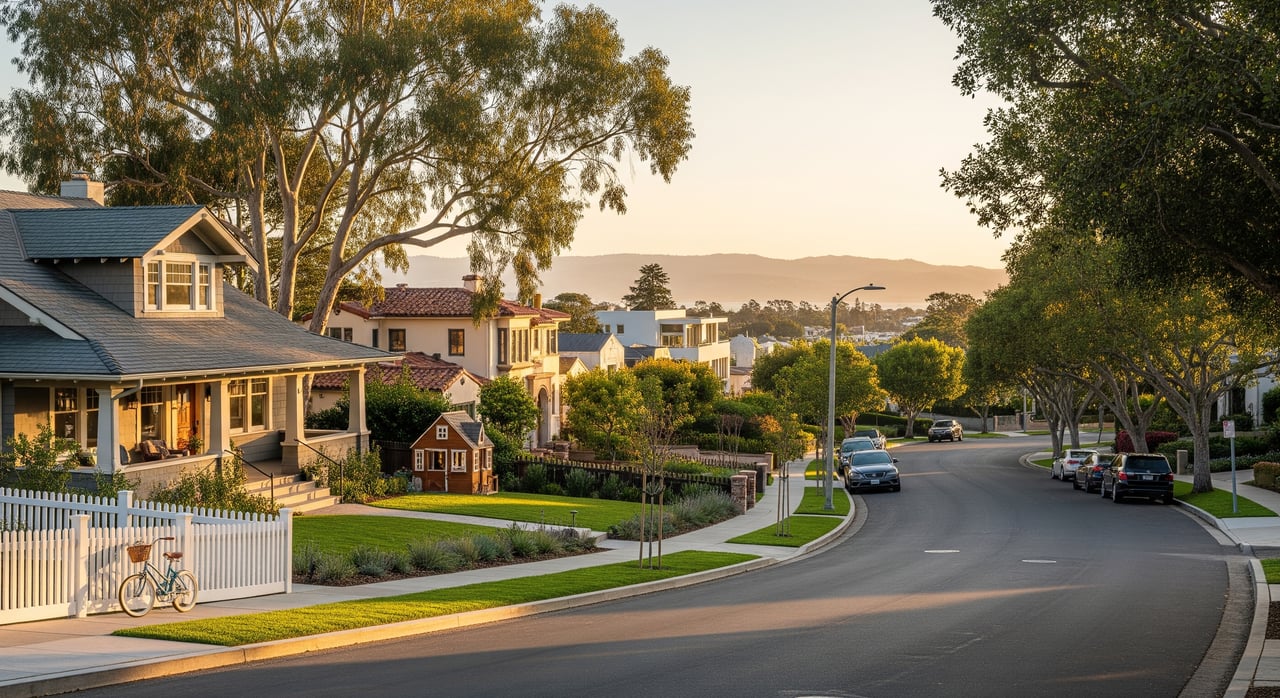
This area draws move-up buyers who want residential streets, larger lots in parts, and close access to downtown amenities. You’ll find early-to-mid 20th-century single-family homes, including craftsman and Spanish or Mediterranean styles. Condos are less common here than near downtown.
- Schools: Many blocks feed into the San Mateo-Foster City Elementary School District for K–8 and San Mateo Union High School District for high school. Aragon High is commonly highlighted by parents in local guides. Confirm your assigned schools with the districts.
- Parks and amenities: You’re a short drive to neighborhood parks, Central Park, and Bayfront trails. Coyote Point and CuriOdyssey are close for weekend outings.
- Commute: Good access to US-101 and the downtown Caltrain station. This area works well for commuters to San Francisco and other Peninsula job centers.
- Best for: Larger lots, classic architecture, and proximity to a high school many families seek.
Central and Downtown: San Mateo and Beresford
If walkability tops your list, central San Mateo delivers. You can walk to restaurants, shops, the main library, and Central Park. Homes include bungalows and craftsman houses on modest lots plus a wide range of condos, townhomes, and newer infill.
- Schools: Assignments vary block by block within the San Mateo-Foster City and San Mateo Union High School districts. Boundary lines can shift quickly near downtown, so double-check.
- Parks and amenities: Central Park is a standout with playgrounds, open lawn, a Japanese tea garden, and nearby rec programs and library events.
- Commute: The downtown Caltrain station is within easy reach, and US-101 is close for drivers.
- Best for: Walkable daily life, shorter school and activity commutes, and lower-maintenance homes.
South San Mateo: Hillsdale and Hayward Park
South San Mateo offers mid-century neighborhoods, access to Hillsdale Shopping Center, and a range of single-family homes and condos. Many houses have been updated to open up kitchens and living areas.
- Schools: Many addresses feed into San Mateo-Foster City for K–8 and San Mateo Union High School District for high school. Hillsdale High is a commonly noted local high school. Verify assignments with the districts.
- Parks and amenities: Neighborhood parks, quick access to Foster City bike paths and the Bayfront, and a full range of errands near Hillsdale.
- Commute: The Hillsdale and Hayward Park Caltrain stations serve this corridor. US-101 is nearby.
- Best for: More interior space, good retail access, and multiple transit options.
Highlands and nearby elevated pockets
If you prefer quiet streets, hillside views, and more yard, the Highlands and nearby elevated areas deliver a different feel from downtown. You’ll find hillside single-family homes and some mid-century modern influences.
- Schools: Many addresses are still within the San Mateo-Foster City and San Mateo Union High School districts. Always confirm your exact street.
- Parks and amenities: You’re close to trails and open space. Daily errands might require a short drive instead of a walk.
- Commute: Farther from Caltrain unless you drive to a station. US-101 and I-280 are both accessible.
- Best for: Yard space, quiet streets, and outdoor access.
Schools and enrollment basics
San Mateo is primarily served by the San Mateo-Foster City Elementary School District for K–8 and the San Mateo Union High School District for high school. Individual schools offer different programs, including language immersion, AP or IB coursework, special education services, and extracurriculars. Because boundaries can change, use the districts’ official lookup tools and confirm assignments directly.
When you evaluate schools, look beyond a single score. Consider:
- State testing data alongside class sizes and program offerings
- After-school activities and sports
- PTA engagement and communication style
- Distance and routes from your home to school
A short walk to school can be a major quality-of-life win. If you expect to drive, test the route during drop-off and pickup.
Parks, play, and family activities
San Mateo gives you a strong lineup of family-friendly options.
- Central Park: A hub for playground time, open lawn, the Japanese tea garden, and nearby library visits and rec programs.
- Coyote Point Recreation Area: Bayfront trails, beaches, and picnic spots. CuriOdyssey inside the park is a hands-on science and wildlife museum many families visit often.
- Neighborhood playgrounds: Small parks are spread across the city, with equipment for different age ranges. Check for restrooms and shade if you have toddlers.
- Bike and bay trails: Foster City paths and Bayfront routes are popular for family biking and stroller walks.
Before you move, visit the parks you plan to use most and time the drive or walk from the blocks you like.
Commute and transit tips
San Mateo is well positioned for Peninsula and San Francisco commutes.
- Caltrain: Downtown San Mateo, Hayward Park, and Hillsdale stations offer local and express service depending on the schedule. Travel times vary by train type, so check the timetable you would use most.
- Highways: US-101 is the primary north-south route. I-280 to the west can be calmer and more scenic depending on your start and end points.
- BART: There is no BART station in San Mateo. The closest stations are north of the city.
- Local buses: SamTrans provides connections across the county.
- Airport access: SFO is a short drive. Proximity is convenient for travel but can add aircraft noise depending on flight paths.
For daily life, map the door-to-door commute and school run you expect to make most often. If you plan to use Caltrain, check parking, kiss-and-ride areas, and bike storage at your preferred station.
Housing types and budget framing
San Mateo offers a range of homes that fit different family needs.
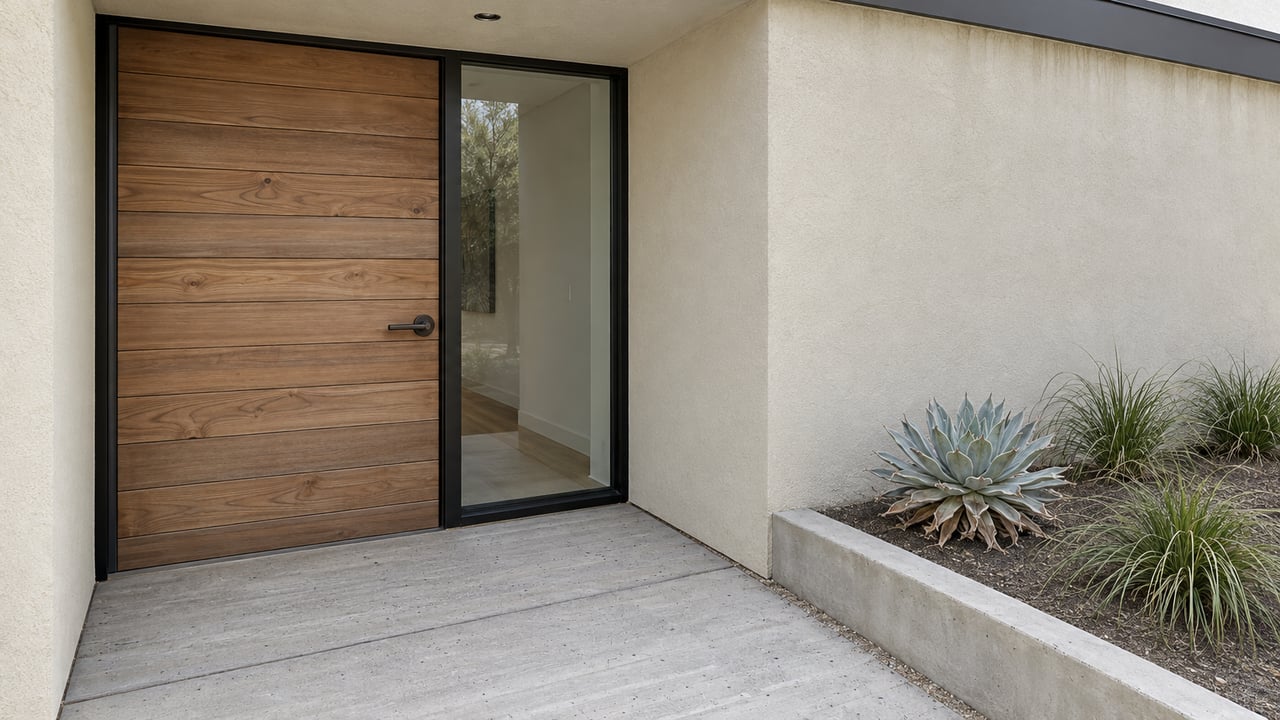
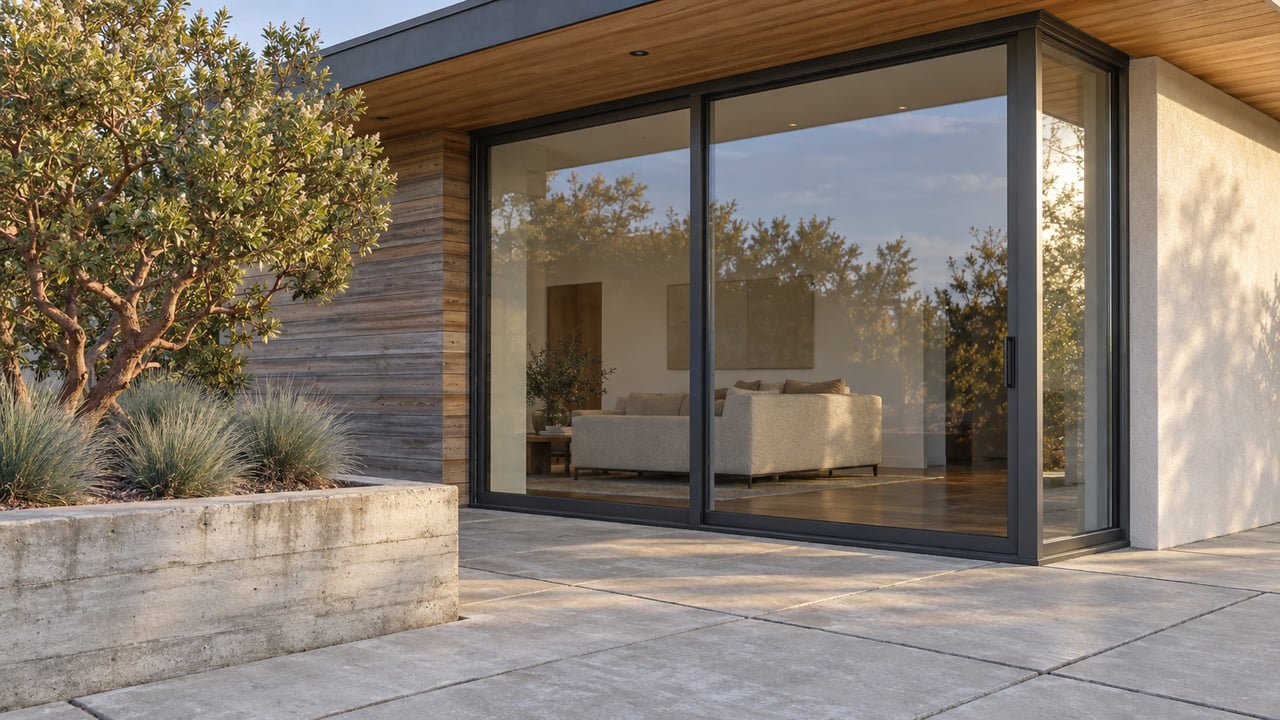
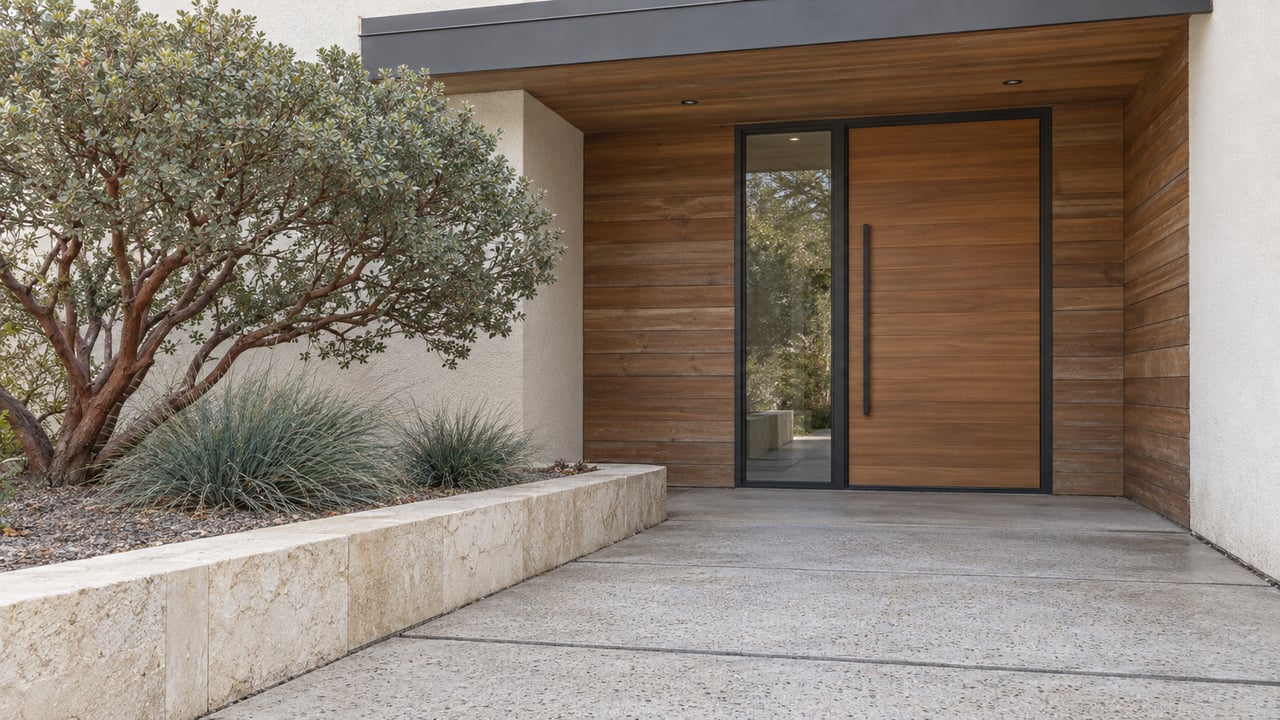
- Single-family homes: Common across the city, including craftsman bungalows, Spanish or Mediterranean styles, mid-century ranch homes, and remodeled contemporary properties.
- Condos and townhomes: Concentrated near downtown, Hillsdale, and transit corridors. These often trade a yard for walkability and lower maintenance.
- Newer infill: Limited but growing, with townhomes and small-lot builds in select locations.
Instead of anchoring to a single number, think in tiers that shift with the market:
- Entry-level single-family: Smaller homes, fixers, or houses on compact lots.
- Move-up homes: Three to four bedrooms, functional yards, and updated living spaces in established neighborhoods.
- Premium tier: Larger lots, expanded or fully remodeled homes, and addresses within sought-after attendance areas.
Market conditions change quickly. If you want current pricing for a specific block or school zone, ask your agent for real-time comps and recent neighborhood sales.
Practical considerations for families
A few local factors are worth a closer look during your search:
- School boundaries: Confirm your exact address with the districts before you submit an offer.
- Enrollment and transfers: Some schools and programs have limited capacity. Review district policies and timelines early.
- Flight paths and noise: Test daytime and evening noise levels, especially closer to the Bay and SFO.
- Flood risk: Bayfront areas can have higher flood considerations. Review local maps and insurance needs.
- Permits and remodeling: If you plan updates, check city permit requirements and timing.
- Property taxes: With California’s property tax rules, assessed value typically resets on sale. Confirm how this affects your budget.
Family buyer checklist
Use this quick list to compare addresses:
- Verify school assignments for the property with the districts
- Visit schools and talk to staff or the PTA when possible
- Walk or drive the school route at drop-off and pickup times
- Visit nearby parks to check playgrounds and restrooms
- Compare commute options and Caltrain schedules you would actually use
- Measure yard size and usability for kids and pets
- Listen for aircraft noise and map any flood considerations
- Request recent comps for the exact block and lot type
Next steps
Every family’s priorities are unique. If you want help weighing school options, walkability, commute, and home types across San Mateo, connect with a local guide who knows the neighborhoods block by block. With organized tours, clear data, and a plan for offers and timing, you can move forward with confidence.
Ready to compare your short list and map out a purchase plan? Reach out to Daniel Choi to schedule a free consultation.
FAQs
Which San Mateo neighborhoods are best for walkability and schools?
- Downtown and central San Mateo are the most walkable. School assignments vary by block, so pair your walkability goals with a district boundary check for each address you consider.
How do I confirm which schools serve a home in San Mateo?
- Use the official lookup tools for the San Mateo-Foster City Elementary School District and the San Mateo Union High School District, then verify your findings directly with the districts.
Is the San Mateo to San Francisco commute reasonable for families?
- Many families commute via Caltrain or US-101. Caltrain times to downtown San Francisco vary by train type, so check the schedule you would ride on typical weekdays.
Where can I find more yard space in San Mateo?
- The Highlands and some north San Mateo streets offer larger lots and a quieter residential feel. Central and downtown areas trade yard size for walkability and convenience.
What should I budget for a 3 to 4 bedroom home?
- Prices shift with market conditions. Ask your agent for recent comps in your target neighborhoods and tier your search by entry-level, move-up, and premium options.
Are there good parks and activities for kids in San Mateo?
- Yes. Central Park, Coyote Point, and neighborhood playgrounds offer year-round options, plus library events and city rec programs for all ages.