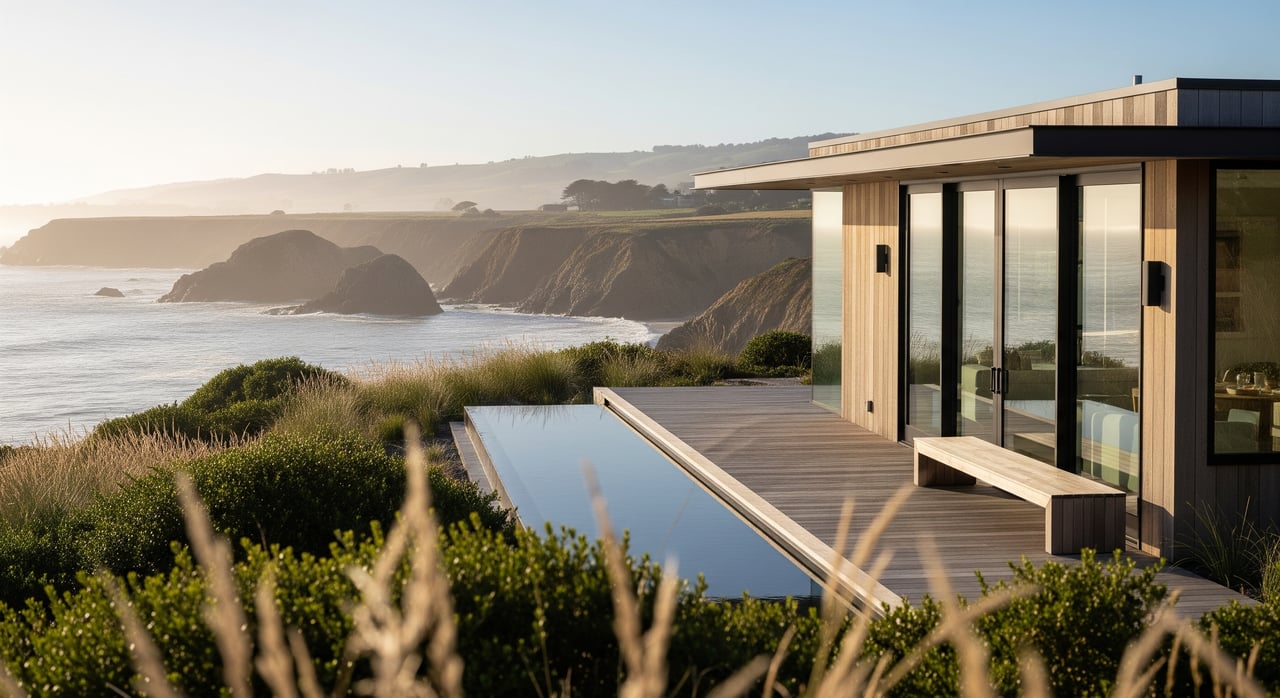
Your Living in Pacifica Guide to Neighborhoods & Lifestyle
December 4, 2025
December 4, 2025
Ever wish you could live by the ocean without giving up access to San Francisco and the Peninsula? If you are weighing that trade-off, Pacifica deserves a close look. It offers beaches, trails and a relaxed pace, with a mix of hillside view homes and classic mid-century streets. In this guide, you will get a clear picture of Pacifica’s neighborhoods, commute options, outdoor life and smart buying checks so you can decide if it fits your goals. Let’s dive in.
Pacifica is a compact coastal city just south of San Francisco and north of Montara and Half Moon Bay. You get quick access to beaches and trailheads, plus a small-town feel along the coast. Compared with many Mid-Peninsula cities, homes here have often been more attainable, though inventory can be tight.
If you want surf before work, weekend hiking without a long drive, and a reasonable route to the city, Pacifica lines up well. Many hills and shoreline areas are protected, which helps preserve the coastal character but can shape what you can build or remodel. That balance of ocean access and practical commute options is the core of Pacifica’s appeal.
Neighborhood labels here are informal and more about vibe than strict borders. Think of Pacifica as a series of north, central and south coastal pockets plus inland hills along Skyline.
This is the older, denser stretch near the coast and north of the main commercial strip. You will see small cottages, mid-century homes and some hillside properties with views.
This is the heart of daily life with the main shopping corridor and Pacifica State Beach (Linda Mar). Schools, services and the primary bus stops are concentrated here.
West of Highway 1, near the municipal Sharp Park Golf Course and San Pedro Valley Park, you will find flatter parcels and older single-family homes that can be relatively more affordable within the city.
The southern edge of Pacifica is rugged and scenic, with winding roads and more separation between homes. Many properties are custom or mid-century on the hillsides and often orient toward ocean views.
Along Skyline Boulevard you will find forested streets, larger lots in some pockets and a calmer, more suburban-rural feel.
Pacifica’s main artery is Highway 1, which runs north to Daly City and San Francisco and south to Montara and Half Moon Bay. Drivers often connect to I‑280 or US‑101 via Daly City, Colma or San Bruno. Skyline Boulevard and other hill routes offer alternatives when Highway 1 is congested.
Public transit is centered on SamTrans bus service. Many commuters ride a SamTrans route to Daly City BART for a smoother trip into San Francisco and the East Bay. There is no BART or Caltrain station in Pacifica; the nearest BART stops are in Daly City and Colma, and Caltrain is reachable by car in nearby cities like San Bruno or South San Francisco.
Commute times vary a lot with the clock and the season. Residents heading to downtown San Francisco often combine a short drive or bus to BART to avoid city driving. Weekend and summer visitor traffic can slow coastal stretches near beaches and trailheads, so plan extra time for errands or use alternate routes. SFO is a relatively short drive compared with many Peninsula interiors, which frequent flyers appreciate.
For active commuters, biking is possible for fit riders, but many routes are hilly. Walkability is highest around the central Linda Mar corridor and village strips like Palmetto Avenue in Rockaway.
Pacifica is built for the outdoors. At the center is Pacifica State Beach at Linda Mar, a go-to surfing spot with beginner-friendly waves and accessible parking. Rockaway Beach and other coves add variety for long walks and coastal views.
Much of the coastline and surrounding hills are part of Golden Gate National Recreation Area. Mori Point to the north and Milagra Ridge to the south offer restored habitat, sweeping views and looping trails. The Devil’s Slide Trail connects Pacifica and Montara with a dramatic route for walkers, runners and cyclists. Inland, San Pedro Valley Park brings shady canyon trails and family-friendly hikes.
Golfers enjoy the municipal Sharp Park Golf Course, a historic seaside track with ocean scenery. Around town, you will find small neighborhood parks, community recreation centers and a casual lineup of local restaurants, coffee shops and bars. Pacifica is not a nightlife hub, but dining covers daily needs and weekend plans, with larger options a short drive into Daly City or South San Francisco.
For essentials, the central Linda Mar corridor is where you will do most of your errands, from the largest supermarket to service businesses. Health clinics and hospitals are accessible in neighboring cities. If you want a routine that pairs groceries, coffee and a beach walk in one trip, central Pacifica makes that easy.
Coastal living comes with unique considerations. Pacifica sits in an active earthquake region, so standard seismic risk and appropriate insurance are part of the picture. Cliffside and steep hillside properties can face erosion or landslide exposure, which is why many buyers order geological or soils reports when evaluating view lots or sloped parcels.
Low-lying coastal areas can fall within tsunami evacuation or coastal flood zones during major storms. Insurability and premiums can be affected by coastal and seismic risk. Lenders may recommend or require flood insurance in specific situations, and separate earthquake coverage is a common discussion.
If you plan to expand or remodel, note that properties near the shoreline may be subject to California Coastal Commission oversight or county coastal zone rules. Permitting can take longer than in non-coastal areas, and nearby protected habitat or open-space easements can influence project scope.
Practical checks during due diligence include slope and drainage conditions, the state of retaining walls and grading, and any recorded easements or required setbacks from bluffs. Ocean-exposed homes often need more frequent exterior maintenance due to salt air, so budget for roof, window and exterior upkeep. In hillside pockets like Pedro Point, narrow and winding streets can affect everyday convenience and emergency access.
Start by ranking what matters most: beach access, commute pattern, yard size, privacy or walkability to shops and services. That scorecard will point you toward certain pockets.
Next, align your commute plan. If you will use BART daily, consider a route that makes the SamTrans connection to Daly City simple or allows quick park-and-ride access. If you fly often, a home with straightforward routes to SFO can save time.
Finally, map buying realities to your wish list. Ocean-view lots command premiums, while more affordable inventory tends to be inland or on flatter, less scenic blocks. Inventory is often limited citywide, and competition can be strong among buyers who prioritize ocean access with SF convenience. A clear strategy and early prep help you act with confidence when the right home appears.
When you want coastal living with practical access to the city, Pacifica stands out. The right pocket comes down to your routine, your commute and your appetite for a little salt-air maintenance in exchange for trails and surf nearby. If you are considering a move, let’s talk through neighborhoods, commute options and the due diligence that keeps you protected from offer to close. Connect with Daniel Choi to schedule a free consultation and start your search with local, data-backed guidance.
Stay up to date on the latest real estate trends.

Get assistance in determining current property value, crafting a competitive offer, writing and negotiating a contract, and much more. Contact Daniel today.