Living in San Bruno: What to Know Before You Move
June 4, 2026
June 4, 2026
Thinking about a move to San Bruno? If you want a Peninsula city that feels connected, practical, and easy to live in, San Bruno deserves a close look. You get a mix of housing types, solid transit access, everyday shopping and dining, and plenty of parks and recreation packed into a relatively compact area. Here’s what it’s like living in San Bruno and what you should know before you make a move.
San Bruno is a compact city on the San Mateo Peninsula with about 42,305 residents across 5.49 square miles. That works out to a population density of 7,999.3 people per square mile, so the city feels established and active rather than spread out.
The community includes a wide range of households and living arrangements. Census data shows a median age of 39.6, with 18% of residents under 18 and 16% age 65 and older. Household types are also mixed, with married-couple households, single-parent households, and non-family households all making up a meaningful share of the city.
That variety is part of San Bruno’s appeal. It does not feel like a one-note suburb or a purely commuter-driven place. Instead, it comes across as a city with residential neighborhoods, commercial corridors, transit connections, and active public spaces all working together.
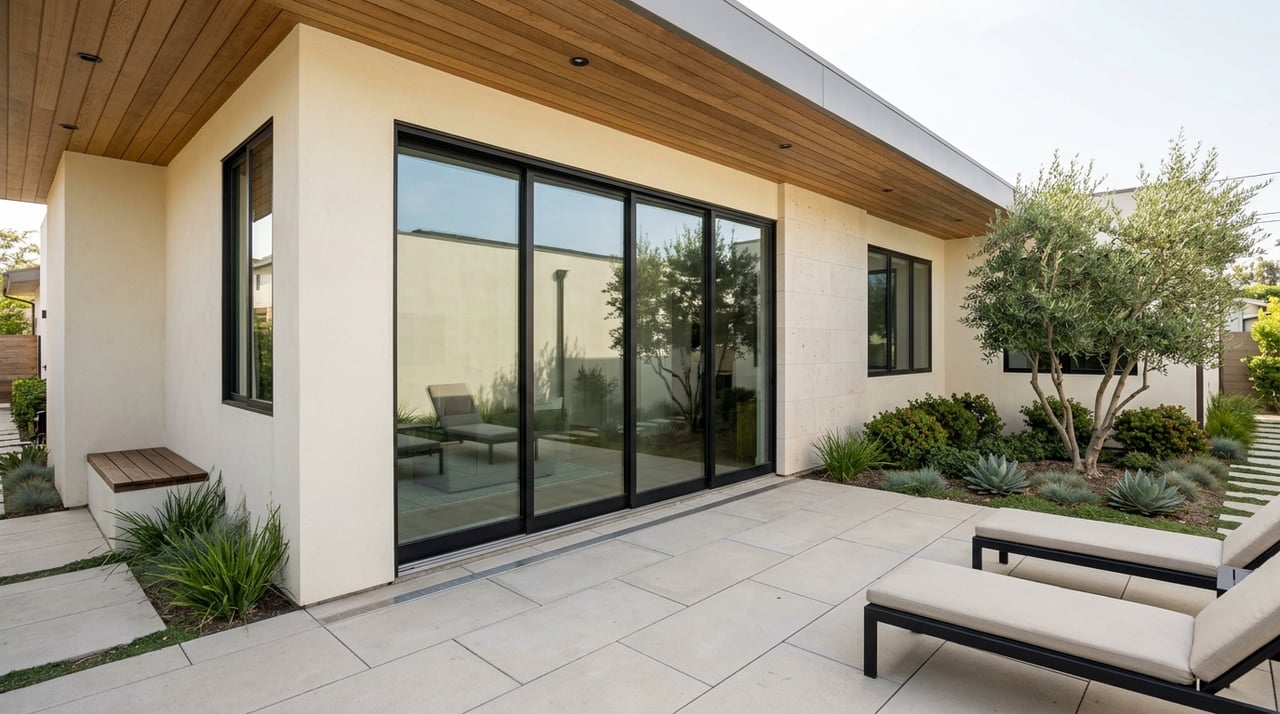
If you are wondering what the housing market looks like, San Bruno offers more variety than many buyers expect. The city’s planning framework allows for very-low-density detached homes, medium-density housing, duplexes, attached homes, and higher-density transit-oriented development.
In practice, that means you can find established neighborhood blocks alongside areas shaped by mixed-use and transit access. Downtown and transit-oriented areas may include housing near retail, restaurants, offices, hotels, and civic uses, especially around BART and Caltrain corridors.
From an ownership and cost perspective, San Bruno is still an expensive Peninsula market. Census estimates show a 62.1% owner-occupied housing rate, a median owner-occupied home value of $1,207,500, and a median gross rent of $2,773.
For buyers, that points to a market with meaningful competition and a broad mix of needs. For renters, it shows there is also steady rental demand. San Bruno is not just for one type of resident, which can make it appealing if you want options as your lifestyle changes over time.
San Bruno is actively planning for more housing over time. The city’s 2023 to 2031 Housing Element, amended in 2024 and found in substantial compliance by the California Department of Housing and Community Development on October 21, 2024, is part of a broader effort to work toward a Regional Housing Needs Allocation target of 3,165 homes.
That matters because it shows the city is thinking long term. The overall direction is not just about adding units. It also reflects a broader vision of balanced development, conservation of residential neighborhoods, and revitalization of downtown and older commercial and industrial areas.
One of the best ways to describe San Bruno is that it works well for everyday life. You are not relying on a single downtown strip for everything. Instead, the city’s shopping, dining, jobs, and services are spread across corridors and key nodes.
That layout can be a real advantage. It gives you multiple places to run errands, grab a meal, or connect to transit without making the city feel overly concentrated in one area.
San Bruno’s commercial life is centered more around corridors than one compact core. City planning documents describe a vision for revitalizing commercial corridors near the San Bruno Avenue Caltrain Station with more housing, jobs, shops, and restaurants.
For day-to-day convenience, the San Bruno BART station sits directly next to the Tanforan shopping mall and business area. The Bayhill district also serves as a major employment node and commercial area. Together, these areas help explain why San Bruno feels practical for errands and work, even if it does not revolve around one traditional downtown experience.
If outdoor space matters to you, San Bruno has strong everyday recreation options. The city maintains 19 parks and 97 acres of parks and recreational areas, which gives residents access to a broad network of public spaces across a relatively small city footprint.
San Bruno City Park is the largest park in the city. It includes 11 picnic sites, two separate play areas, a walking track, tennis courts, ball fields, picnic shelters, and restrooms.
That kind of park infrastructure makes a difference in daily life. Whether you want a place to walk, meet friends, spend time outside, or use recreational facilities close to home, San Bruno has options built into the city itself.
The San Bruno Recreation & Aquatic Center adds another layer to the lifestyle here. It offers indoor and outdoor pools, a fitness room, group exercise classes, and a gymnasium.
The city also runs recurring community events throughout the year. These include the Spring Egg Hunt, Concerts in the Park, Halloween Monster Mash Bash, Holiday Boutique, Tree Lighting & Jingle Around the Block, Letters from Santa, and Community Day & Posy Parade.
These events help give San Bruno a public, community-oriented feel. Even in a region known for busy schedules and long workdays, local programming can make a city feel more grounded and connected.
San Bruno also gives you access to more than neighborhood parks. The city’s walk, bike, hike, and transit resources point residents toward nearby outdoor destinations like Junipero Serra County Park trails, Sneath Lane Trail, Sweeny Ridge and Notch Trail, the San Francisco Bay Trail, Bay Area Ridge Trail, and Milagra Ridge Trail.
That is a big benefit if you want both convenience and access to open-air recreation. You can enjoy a compact Peninsula location while still having trails and scenic outdoor areas within easy reach.
The city also notes that its sidewalk network can connect residents to the public library, City Park, and downtown San Mateo Avenue. For some residents, that adds a welcome layer of everyday walkability to errands and local outings.
For many buyers and renters, commute access is one of San Bruno’s biggest strengths. The city says it is well connected to BART, SamTrans, and Caltrain, and that multi-system access helps set it apart from more isolated Peninsula locations.
The San Bruno BART station is located at 1151 Huntington Avenue and includes SamTrans service, parking, and bike amenities. Caltrain also serves the broader commute picture, with connections that support travel between San Francisco, Palo Alto, San Jose, and Gilroy.
San Bruno’s economic development materials also note that the city is minutes from San Francisco International Airport and the Silicon Valley tech hub. That helps explain why the city appeals to people who want Peninsula access without living in a denser urban core.
Census data puts the mean travel time to work at 23.7 minutes. While your own commute will depend on where you work and how you travel, that figure supports the idea that San Bruno is a well-positioned option for many Peninsula and Bay Area commuters.
So what is it actually like living in San Bruno? In simple terms, it feels like a compact, transit-connected Peninsula city with established neighborhoods, useful retail corridors, public recreation, and a practical day-to-day rhythm.
You are getting a place with real housing variety, not just one product type. You are also getting a city that has parks, trails, recreation facilities, and community events woven into daily life. Add in BART, SamTrans, Caltrain access, and proximity to the airport, and San Bruno offers a lot of functionality in a relatively small footprint.
For buyers, renters, and homeowners thinking long term, that combination can be appealing. San Bruno gives you a middle ground that many people are looking for on the Peninsula: connected but not overly intense, active but still residential, and established while still planning for future growth.
If you are considering a move to San Bruno and want help comparing homes, neighborhoods, or commute tradeoffs on the Peninsula, Daniel Choi can help you make a confident next step.
Stay up to date on the latest real estate trends.
Get assistance in determining current property value, crafting a competitive offer, writing and negotiating a contract, and much more. Contact Daniel today.